Cold Showers: What's Evidence and What's Bro-Science
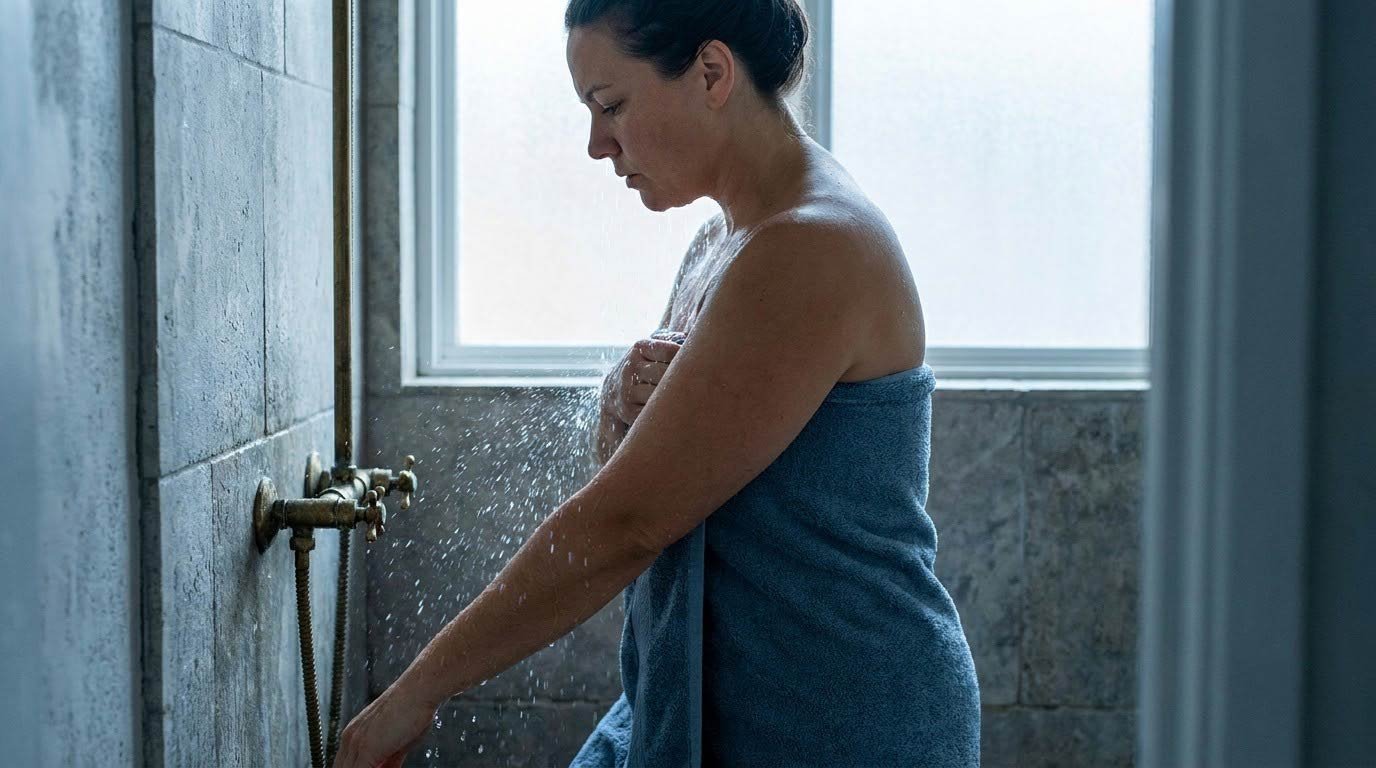
Cold exposure became a wellness empire on the back of real physiology — then outgrew it. The claims span from mood elevation (the best-supported) to fat loss (overstated) to immune boosting (thin) to 'hack your mitochondria' (pure marketing). Here's what the research actually supports, what it doesn't, and what remains genuinely uncertain.
Cold showers are a mood tool with a metabolism side-effect — not a weight-loss strategy wearing a cape. The dopamine boost is real and unusual in its duration. The recovery benefit for athletes is real but has a catch. The fat-loss and immune claims are where the evidence runs out.
The real: brown fat and metabolism
Brown adipose tissue (BAT) is real, present in adults, and activated by cold. Unlike white fat (which stores energy), brown fat burns calories to generate heat — a process called thermogenesis. When cold water hits your skin, brown fat activates and starts consuming energy. This is genuine physiology, not marketing.
The problem is the arithmetic. Activating brown fat through cold exposure burns calories — but nowhere near enough for meaningful fat loss. Studies show cold-induced thermogenesis increases energy expenditure by roughly 100–300 calories per session, depending on the intensity and duration of exposure. That's an apple and a half. Compare this to the 500+ calorie deficit needed to lose a pound of fat, and the 'cold showers burn fat' claim collapses.
The genuinely impressive: dopamine
If there's one finding from cold exposure research that stands out for its magnitude and consistency, it's this: cold water immersion reliably triggers a prolonged dopamine elevation — up to 250% above baseline in some studies, lasting for hours.
This is unusual. Most mood-elevating stimuli (sugar, social media, exercise) produce brief dopamine bumps that return to baseline within minutes. Cold exposure produces a sustained elevation that persists for hours — which explains the famous post-shower glow that cold-exposure practitioners report.
The mechanism is likely stress-induced: the cold triggers a systemic adaptive response that includes the dopamine system as part of the body's 'cope and recover' cascade. The duration is what makes it interesting — a natural intervention that shifts mood chemistry for a meaningful period, without the crash associated with brief dopamine spikes.
The dopamine elevation from cold is real, large, and lasts for hours — the most impressive finding in the cold exposure literature.— What the research actually shows
The overhyped: fat loss and immunity
Two claims deserve specific debunking because they drive most of the viral content:
- Fat loss: Brown fat activation burns calories — but the amount (100–300 per session) is a metabolic side-effect, not a weight-loss strategy. No controlled trial has shown that adding cold showers to a calorie-neutral diet produces meaningful fat loss. If you want fat loss: caloric deficit, resistance training, and adequate protein carry the evidence.
- Immunity: Regular cold exposure shows some changes in immune cell counts and activity markers — but the clinical significance is unclear. A well-known Dutch trial found that people who took cold showers took 29% fewer sick days, but the mechanism was likely behavioral (feeling more energized and pushing through mild illness) rather than immune enhancement. The gap between lab markers and clinical outcomes is where this claim loses its footing.
The finding (29% fewer sick days) sounds impressive — but it was self-reported illness absence, not verified infections or immune function. People who voluntarily take cold showers may simply be more likely to push through feeling mildly unwell. The behavioral explanation is at least as plausible as the immune one.
The genuinely useful: recovery
For athletes and regular exercisers, cold water immersion has a clear, well-replicated benefit: it reduces delayed-onset muscle soreness (DOMS) — the stiffness and pain that peaks 24–48 hours after unfamiliar or intense exercise. Multiple trials confirm this effect.
But there's a catch that matters: cold water immersion used immediately after resistance training may blunt the muscle and strength adaptations you're training for. The inflammation that cold suppresses is part of the signal that tells your body to rebuild stronger. By icing it away immediately, you may reduce the growth stimulus.
- In-season or competition athletes: Cold water immersion is genuinely useful — reducing soreness so you can perform again sooner matters more than marginal adaptation gains.
- Off-season or muscle-building phases: Skip the cold shower immediately after lifting — wait at least 2–4 hours, or save it for non-training days.
- General fitness: If you're not competing and your goal is building muscle and strength, the adaptation cost outweighs the soreness benefit for most people.

How to actually use cold exposure
If you want to experiment with cold showers, here's the practical protocol based on what the research supports:
- Start with 30–60 seconds. Cold water at the end of a warm shower — turn the tap to cold and stay under it for 30–60 seconds. That's enough to trigger the dopamine response.
- Progress gradually. Add 15–30 seconds per week. You don't need to reach 5 minutes — the benefits plateau and the discomfort doesn't pay extra.
- Breathing matters. The first 10–15 seconds are the hardest — controlled, slow exhalation helps you get through the initial shock reflex.
- Consistency over intensity. Daily 60-second cold showers are more sustainable than heroic 5-minute immersions you dread and eventually skip.
- Don't combine with immediate post-workout if your goal is muscle/strength adaptation. Wait hours, or use cold on rest days.
30 seconds of cold at the end of your shower is enough for the dopamine and mood effects. You don't need ice baths, 5-minute protocols, or $3,000 cold plunge tanks. The tap in your bathroom is free and works fine.
Who should skip cold exposure
Cold water immersion triggers a significant cardiovascular stress — vasoconstriction, blood pressure spike, and increased heart rate. For most healthy people, this is safe and adaptive. But for some, it's a genuine risk:
- Cardiovascular disease. The blood pressure spike and arterial constriction can be dangerous for people with uncontrolled hypertension, arrhythmias, or a history of cardiac events. If you have any heart condition, ask your cardiologist first.
- Pregnancy. The significant physiological stress is not advisable during pregnancy.
- Raynaud's phenomenon. The cold-induced vasospasm can be painful and prolonged for people with this condition.
- Cold urticaria. A genuine cold allergy — cold water triggers hives and potentially dangerous systemic reactions.
Cold water immersion is a real physiological stressor, not a gentle wellness practice. For healthy people, that stress is adaptive and safe. For people with cardiovascular conditions, it can be dangerous. If you have any heart condition or are unsure, consult your healthcare provider before starting.
The practical verdict
Cold showers are a mood tool with a modest metabolic side-effect and a specific utility for athletes managing soreness. They are not a fat-loss strategy, not an immune system upgrade, and not a substitute for the fundamentals. The honest hierarchy of what cold exposure does:
- Mood and alertness: strong evidence. The dopamine elevation is large, prolonged, and consistent. This is cold exposure's genuine strength.
- Athletic recovery: good evidence. Reduces soreness reliably, with the caveat about blunting adaptation when used immediately post-lifting.
- Metabolism: real but modest. Brown fat activation burns calories — just not enough to matter for weight management.
- Immunity: thin evidence. Lab markers change; clinical significance is uncertain. The sick-day study has a plausible behavioral explanation.
- Fat loss: no meaningful evidence. The caloric expenditure is too small to produce measurable fat loss without dietary change.
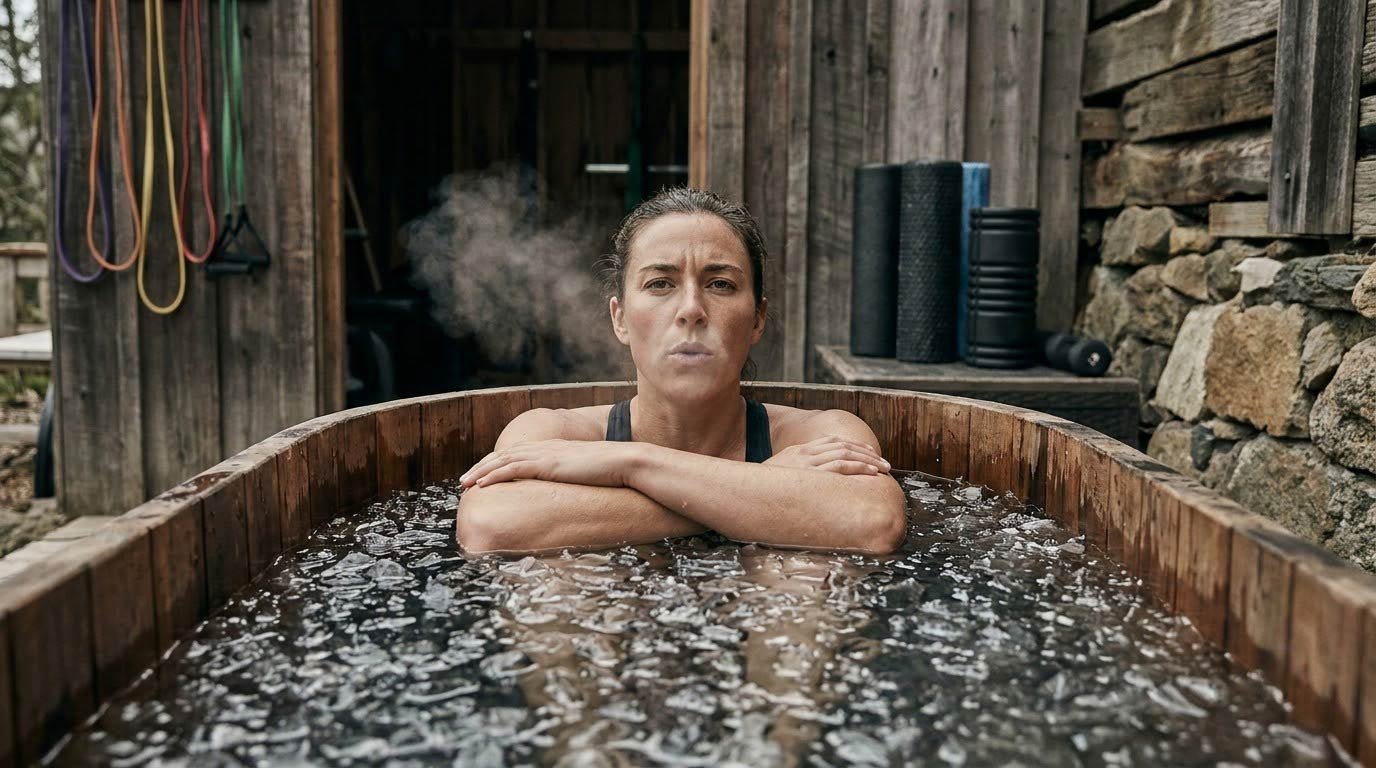
A mood tool with a metabolism side-effect — not a weight-loss strategy wearing a cape.— The honest framing
If you want to try it: add 30–60 seconds of cold at the end of your morning shower. Do it daily for two weeks and notice how you feel. If the mood boost is real for you, keep it. If you dread it and it makes mornings worse, skip it — the fundamentals (sleep, exercise, nutrition) carry far more evidence than any cold protocol.
When this article is not enough
If you have a heart condition, are pregnant, or experience symptoms like chest pain, dizziness, or unusual heart rhythms during or after cold exposure, stop and seek medical evaluation. Cold water immersion is a significant physiological stressor, and the people who should avoid it are the people it can most directly harm.
Magnesium: The Muscle and Sleep Mineral
The cofactor behind muscle relaxation and cramp prevention — the full evidence journey: which forms absorb best, the sleep connection, and honest grades for muscle tension and stress.
Explore the magnesium journey →Where this information comes from
- reductions in delayed-onset muscle soreness (DOMS)
- effects on training adaptations
- timing considerations for athletes
- brown fat activation through cold exposure
- caloric expenditure from thermogenesis
- metabolic effects
- prolonged dopamine elevation findings
- mood effects of cold water immersion
- immune cell changes with regular cold exposure
- upper respiratory infection studies
- the gap between lab markers and clinical outcomes
Our evidence principles
How we evaluated the claims on this page
- Prefer government health agencies, major medical organizations, clinical guidelines, systematic reviews, and well-designed human studies.
- Distinguish established physiology from speculative extrapolation.
- Avoid presenting cold exposure as a universal health solution or fat-loss strategy.
- Use numbers only when the population, context, and evidence are clear.
- Encourage caution and clinician involvement for people with cardiovascular conditions.
Educational information — not medical advice
This article is for educational purposes and does not provide medical advice. Cold water immersion is a significant physiological stressor that may be dangerous for people with cardiovascular conditions, during pregnancy, or with certain medical conditions. If you have a heart condition, are pregnant, or are unsure whether cold exposure is safe for you, consult your healthcare provider before starting. BodyFinds should display its medical disclaimer and source methodology alongside this article.