Better Sleep: The Science of Rest, Recovery, and Why Consistency Beats Perfection
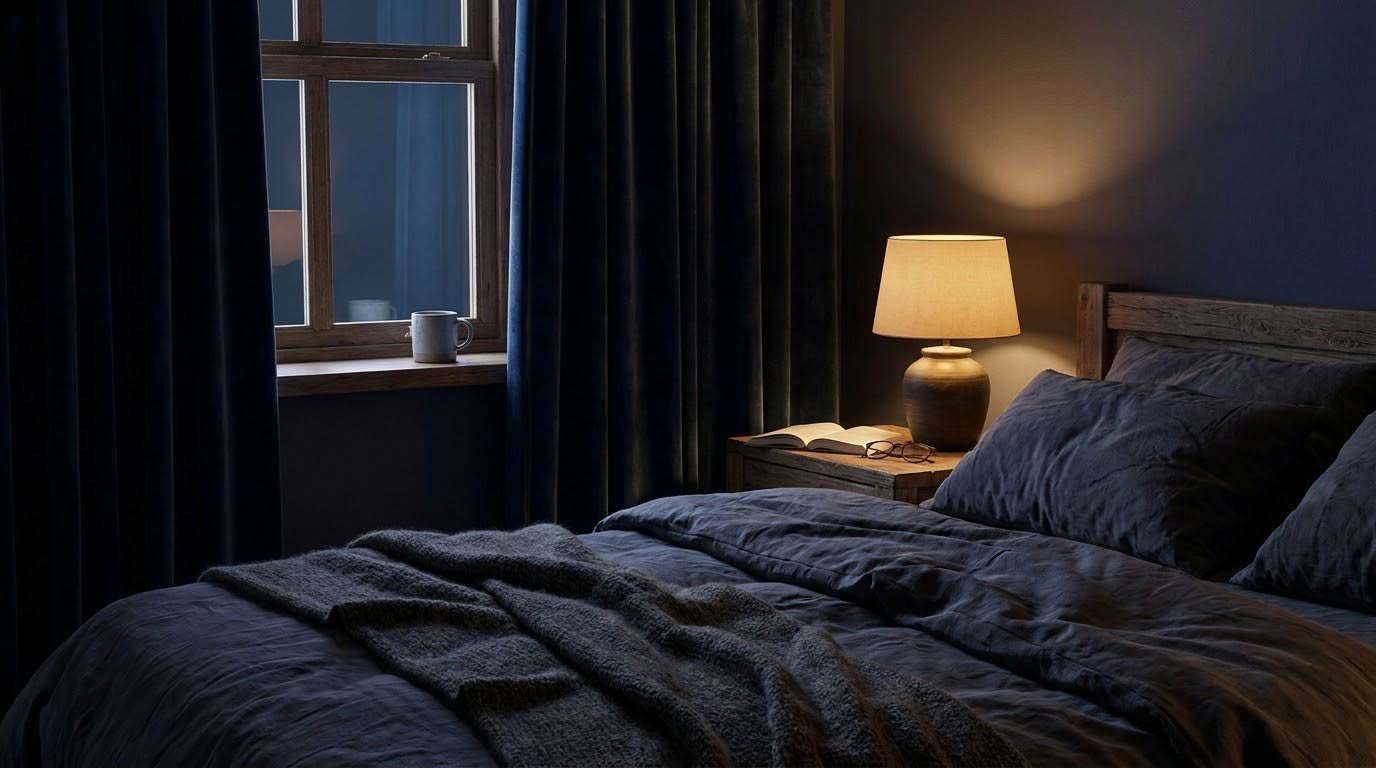
Sleep is not downtime — it is the overnight maintenance shift where the body does its most critical repair work. Growth hormone releases during deep sleep to rebuild muscle and tissue. The brain's waste-clearance system (the glymphatic system) is most active during sleep, removing metabolic byproducts that accumulate during waking hours. Immune memory consolidates. Emotional processing happens during REM. When you shortchange sleep, you're not just tired the next day — you're deferring the maintenance that every system in your body depends on.
A consistent sleep schedule — going to bed and waking up at roughly the same time every day, including weekends — is the single highest-leverage sleep habit. It costs nothing, requires no equipment, and anchors every other sleep process in your body.
What happens during a night of sleep
A night of sleep is structured work, not a uniform state of unconsciousness. It cycles through roughly 90-minute rounds, alternating between two fundamentally different modes:
- Deep sleep (slow-wave sleep) — dominates the first half of the night. Growth hormone releases here, physical tissue repair runs, and the immune system recalibrates. This is the most restorative phase for the body.
- REM sleep — concentrates in the final hours before waking. Memories are consolidated from short-term to long-term storage, emotional experiences are processed, and the brain integrates new learning with existing knowledge. This is the most restorative phase for the mind.
- Light sleep — the transition stages between waking, deep, and REM. Still restorative, but less intensely so than the other two.
This structure explains a critical practical point: cutting sleep short doesn't remove sleep uniformly — it removes REM disproportionately. If you cut a night from 8 hours to 6, you lose far more of the REM-rich final cycles than of the deep-sleep-rich early ones. The brain pays the heavier price.
The circadian clock: why timing matters
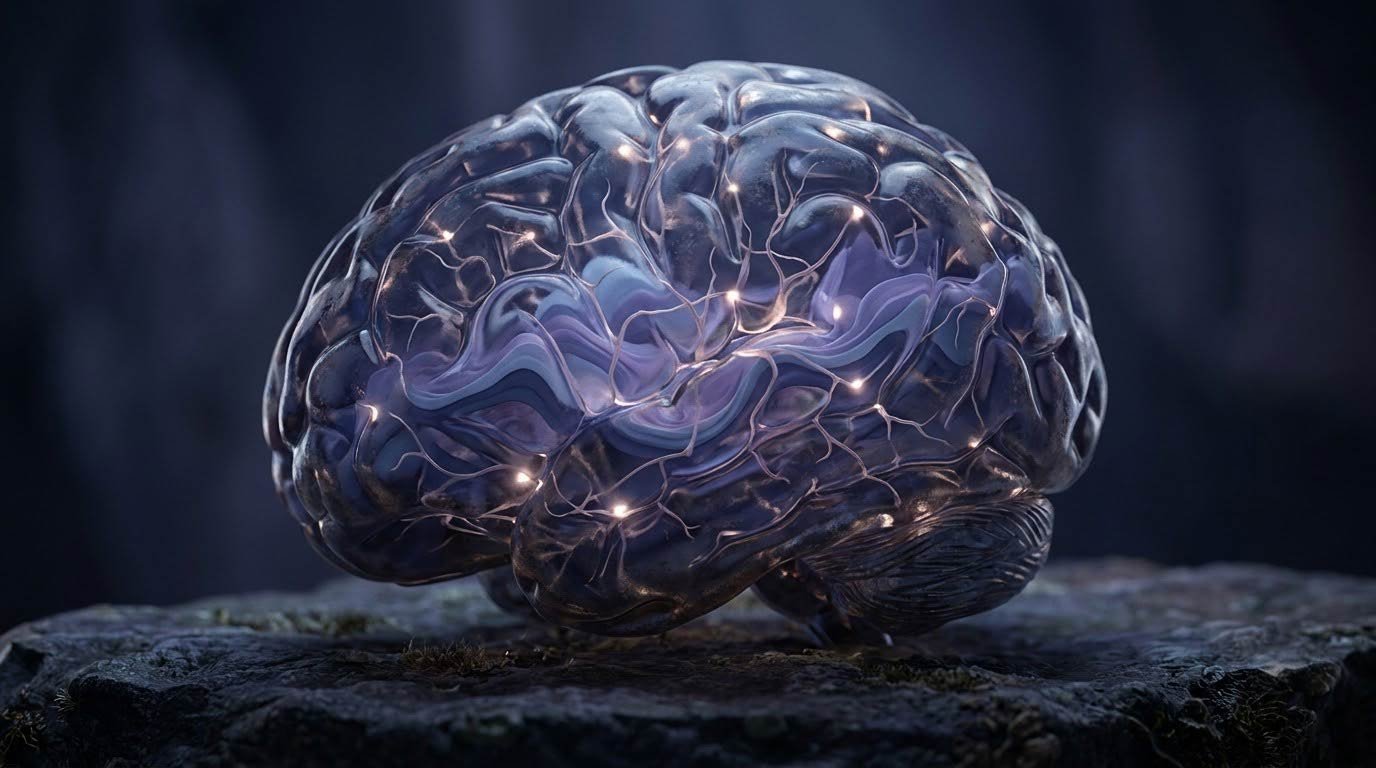
Your body keeps time through a master clock in the brain — a cluster of neurons called the suprachiasmatic nucleus — that conducts a body-wide orchestra of timing: when cortisol peaks (morning), when blood pressure dips (night), when digestion slows, when melatonin releases. Every organ has its own peripheral clock; the master clock keeps them synchronized.
The master clock is set overwhelmingly by light. Morning light anchors it earlier; evening light drags it later. This asymmetry is the quiet engine behind modern sleep problems: indoor days and screen-lit evenings leave the clock drifting later, and the Monday-morning crash — social jetlag — is the mismatch catching up.

- Morning light is the anchor. Outdoor daylight is 10–100× brighter than screens. Even 10 minutes of morning outdoor light helps set the clock for that night's sleep.
- Evening light is the delay. The real cost of screen-lit nights is timing, not 'blue rays' — the light pushes your clock later, making it harder to fall asleep at a reasonable hour.
- Consistency beats intensity. A regular schedule, even a slightly imperfect one, outperforms an ideal but erratic routine — the body's timing system rewards predictability.
The habits that reliably work
These are the interventions with the strongest evidence — the ones sleep physicians and clinical guidelines consistently recommend before any supplement, gadget, or medication.
- Fix your wake time first. A consistent wake-up time anchors the entire circadian system more powerfully than bedtime effort. Pick a time you can maintain 7 days a week, including weekends.
- Get morning light. Within the first hour of waking, get outdoor light — through a window doesn't count as well. Even cloudy daylight is significantly brighter than indoor lighting.
- Set a caffeine curfew. Caffeine has a half-life of 5–6 hours. A 3pm coffee leaves half its dose active at 9pm, quietly taxing deep sleep even if you fall asleep fine.
- Keep the bedroom cool, dark, and quiet. Body temperature needs to drop for deep sleep to arrive. Most people sleep best in a room around 65–68°F (18–20°C).
- Build a wind-down buffer. 30–60 minutes of low-stimulation activity before bed — reading, stretching, a warm shower (the post-shower temperature drop helps trigger sleepiness).
- Don't use alcohol as a sleep aid. It may help you fall asleep faster, but it fragments the back half of the night — suppressing REM and worsening overall sleep quality. The 3am waking after evening drinks is a real, documented phenomenon.
If your sleep schedule is chaotic, start by choosing a consistent wake time you can realistically maintain — not a bedtime. Then get outdoor light within the first hour. These two free habits do more for sleep quality than any supplement or gadget.
What the evidence says about sleep supplements
The supplement aisle is full of sleep promises. Here's the honest grading — with the caveat that supplements sit on top of the fundamentals above, never instead of them.
- Melatonin — it's a timing signal, not a sleeping pill. Evidence supports it for jet lag and shift-work circadian disruption, at low doses (0.5–1mg is often more effective than the 5–10mg products). For ordinary insomnia, it's modest at best. Dose and timing require thought — and are worth discussing with a clinician if you have a circadian disorder.
- Magnesium — a common dietary shortfall, and small trials suggest modest sleep benefits, particularly in older adults. Glycinate is the form often recommended (gentle on the gut). The honest grade: supportive, not transformative.
- Valerian root — the evidence is mixed and underpowered. Some trials show mild benefit for sleep latency; others find no effect. It's sedating for some people, which is a caution rather than a benefit when combined with other sedatives.
- Chamomile, passionflower, and 'sleep teas' — gentle, traditional, and largely unproven for clinical insomnia. Enjoy them as part of a wind-down ritual (the ritual itself may be the active ingredient), not as treatments.
- Glycine — an amino acid with a few small trials showing modest improvements in sleep quality. Interesting, early, and not yet a recommendation.
Prescription sleep medications can be genuinely useful for short-term situations under a physician's care. But long-term reliance — prescription or over-the-counter — can mask underlying causes without fixing them. If you've been using sleep aids regularly for months, that's a conversation with your clinician, not a reason to try a different brand.
The morning-after problem: why waking up tired matters
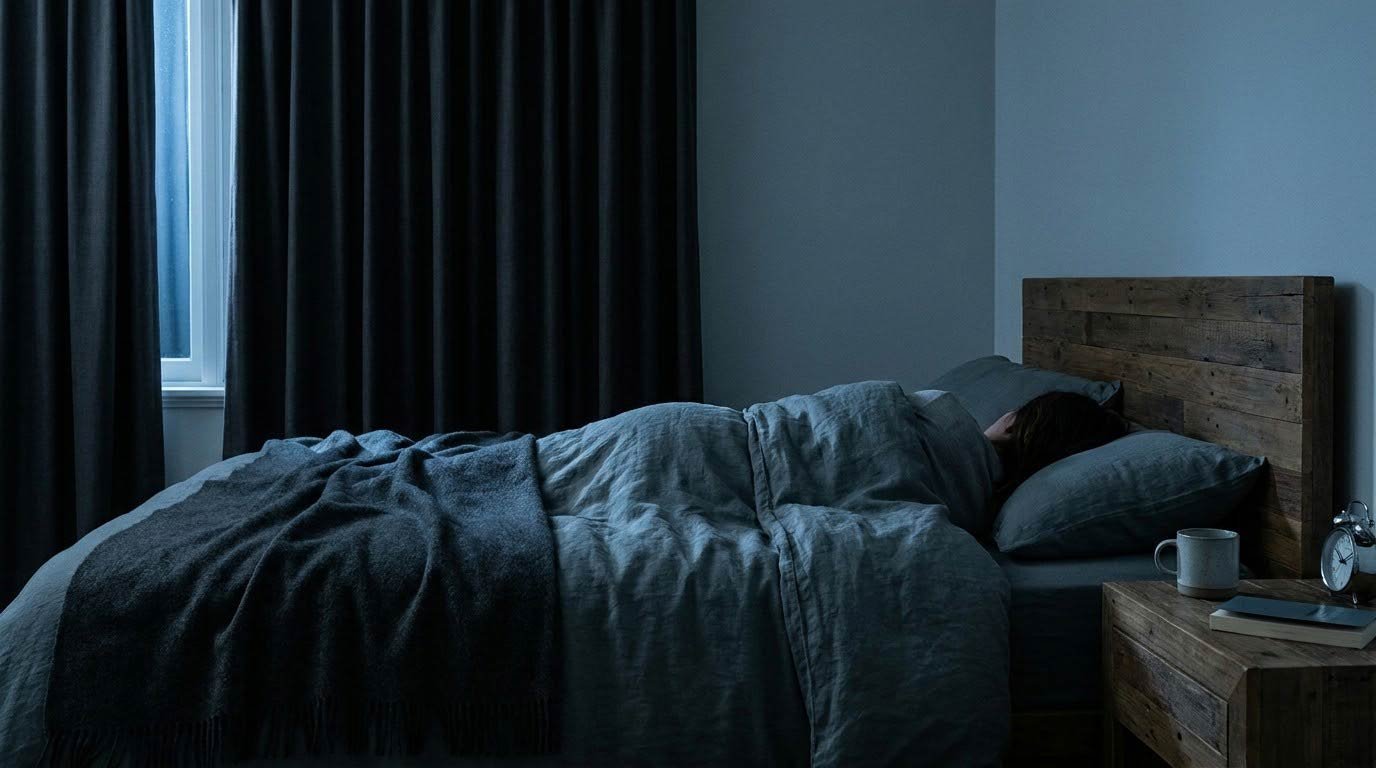
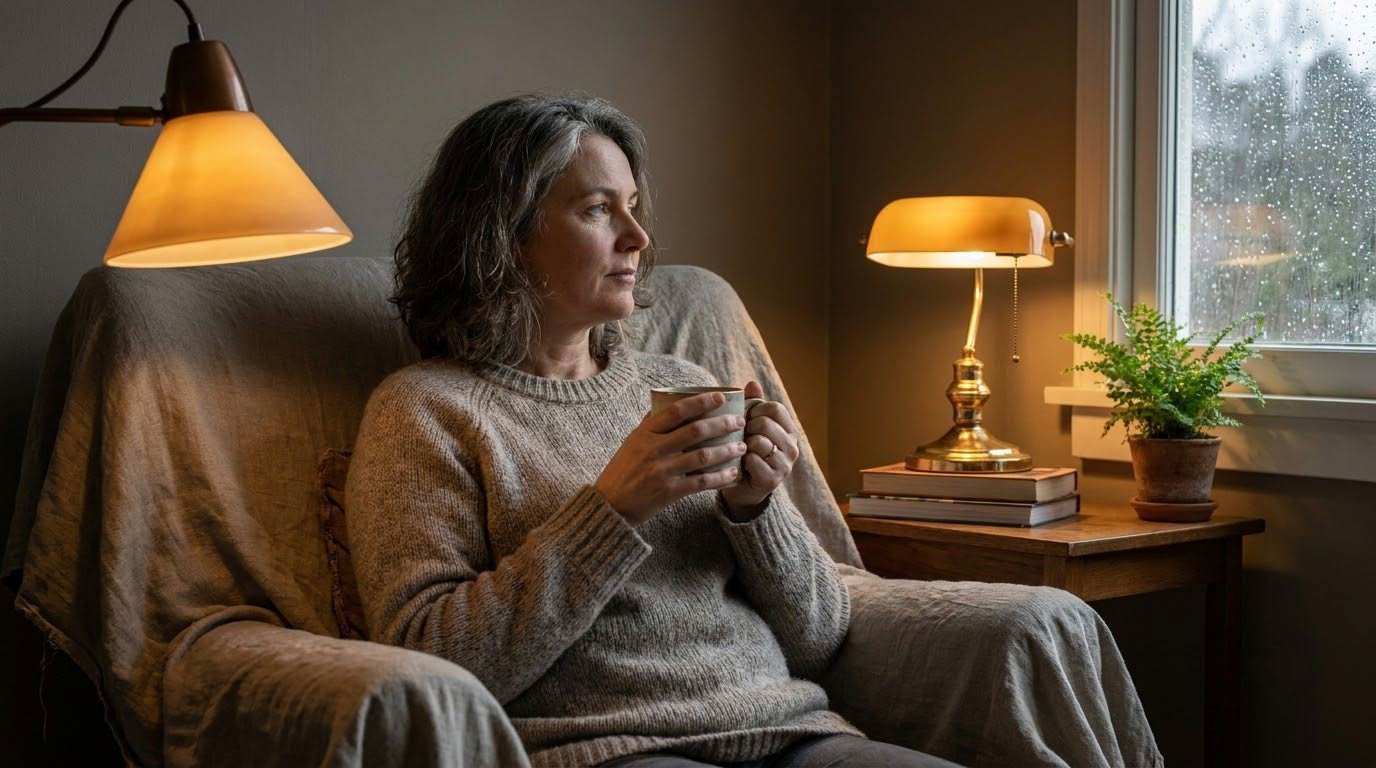
Waking up tired after a full night in bed is one of the most common sleep complaints — and it's a diagnostic fork that matters. If you sleep 8 hours and still wake exhausted, the most likely explanations are:
- Undiagnosed sleep apnea — you may be having dozens of micro-arousals per hour that you don't consciously remember. Loud snoring with witnessed breathing pauses is the classic sign, but apnea — especially in women — can present as insomnia or unrefreshing sleep instead.
- Insufficient deep sleep — alcohol, late caffeine, a warm bedroom, or a disrupted schedule can reduce slow-wave sleep even when total hours look adequate.
- Circadian mismatch — your body's clock may be misaligned with your schedule, so you're waking during a phase your biology expected to be deep sleep.
- Restless legs or periodic limb movements — can fragment sleep without full awakenings.
- A medical condition — thyroid dysfunction, depression, anemia, and many medications can all present as unrefreshing sleep.
Loud snoring with witnessed breathing pauses, waking gasping, severe daytime sleepiness despite adequate hours, or persistent insomnia lasting more than 3 months deserve a clinical evaluation. Sleep apnea is common, underdiagnosed, and treatable — and a sleep study is the only way to diagnose it.
The truth about sleep trackers
Consumer sleep trackers (smartwatches, rings, mattress sensors) can be useful for spotting patterns — a consistent dip in sleep after late caffeine, or better sleep on exercise days. But their accuracy for sleep staging (deep, REM, light) is modest compared to clinical polysomnography. The general trend data is more trustworthy than the night-by-night stage breakdown.
The risk: orthosomnia — anxiety about achieving perfect sleep-tracker scores that itself worsens sleep. If you find yourself checking your sleep score first thing in the morning and feeling stressed about it, that's a signal to step back from the data. The tracker should serve your sleep, not the other way around.
Your body keeps time by light, not by willpower. Guard your mornings and your evenings equally.— The circadian principle
The compounding effect
The encouraging part about sleep is that small changes produce visible results quickly. Unlike muscle-building (weeks to months) or cardiovascular fitness (months), sleep responds to consistent behavioral changes within days. A fixed wake time, morning light, and a caffeine curfew — maintained for even two weeks — can transform both how you sleep and how you feel during the day.
And sleep is the foundation the other health habits sit on: exercise recovery runs overnight, appetite hormones regulate during sleep, glucose handling is measurably worse after a short night. Fixing sleep often makes every other health goal easier.
This week: pick one consistent wake time (7 days). Get 10 minutes of outdoor morning light within the first hour. Set a caffeine curfew 8+ hours before bedtime. Make the bedroom cool and dark. These four free changes are the foundation — everything else sits on top.
When this article is not enough
If you experience persistent insomnia lasting more than 3 months, loud snoring with breathing pauses, waking gasping or choking, severe daytime sleepiness that affects driving or safety, or symptoms of restless legs, seek professional evaluation. The most effective treatment for chronic insomnia (CBT-I — cognitive behavioral therapy for insomnia) is structured, evidence-based, and more effective long-term than any medication. A sleep specialist can guide you to it.
Melatonin: The Timing Signal
Not a sleeping pill — a circadian hormone. The full evidence journey: how it works, when it helps (jet lag, shift work, delayed sleep phase), why low doses often work better, and honest grades for ordinary insomnia.
Explore the melatonin journey →Where this information comes from
- regular sleep schedule importance
- sleep environment guidance
- caffeine and alcohol effects on sleep
- sleep changes with age
- recommended sleep duration for adults
- sleep deprivation health impacts
- sleep hygiene basics
- sleep architecture (deep sleep, REM)
- circadian rhythm biology
- sleep and cardiovascular health
- melatonin as a timing signal (not a sleeping pill)
- evidence for melatonin supplements
- appropriate use considerations
- magnesium and sleep quality evidence
- dietary magnesium sources
- supplementation considerations
Our evidence principles
How we evaluated the claims on this page
- Prefer government health agencies, major medical organizations, clinical guidelines, systematic reviews, and well-designed human studies.
- Distinguish established evidence from promising but uncertain research.
- Avoid presenting a single supplement, gadget, or habit as a universal sleep solution.
- Use numbers only when the population, context, and evidence are clear.
- Encourage clinician involvement when sleep problems are persistent, severe, or accompanied by concerning symptoms.
Educational information — not medical advice
This article is for educational purposes and does not diagnose, treat, or cure any sleep disorder. Sleep problems can signal underlying medical conditions that require professional evaluation. If you have persistent or concerning sleep symptoms, consult a qualified healthcare provider or sleep specialist. BodyFinds should display its medical disclaimer and source methodology alongside this article.