Anti-Inflammatory Foods: What to Eat, What to Skip, and What the Evidence Actually Shows
Inflammation is the body's natural defense system — essential for healing wounds and fighting infections. But when it becomes chronic and low-grade, it's associated with a range of long-term health problems including heart disease, type 2 diabetes, and cognitive decline. The food you eat consistently, over years, is one of the most practical levers for influencing that chronic inflammatory state.
No single food is anti-inflammatory. The overall dietary pattern — what you eat most of the time — matters far more than any individual ingredient. A well-built plate beats a well-marketed superfood every time.
What chronic inflammation actually is
Acute inflammation is obvious: a cut turns red, a sprain swells. It's rapid, targeted, and resolves when healing is complete. Chronic inflammation is different — it's low-grade, persistent, and often invisible. It doesn't announce itself with symptoms you can feel day to day, but over years it can contribute to the slow development of cardiovascular disease, metabolic dysfunction, and neurodegenerative conditions.
Diet influences this process through multiple pathways: the balance of omega-6 to omega-3 fats, the antioxidant capacity of plant foods, the fiber that feeds gut bacteria (which in turn regulate immune signaling), and the glycemic load that determines how much metabolic stress each meal imposes. No single pathway is the whole story — which is why no single food fixes it.
The foods with the strongest evidence
These foods appear consistently across observational studies and clinical trials examining inflammatory markers (CRP, IL-6, TNF-alpha) and long-term health outcomes. None of them are exotic or expensive.
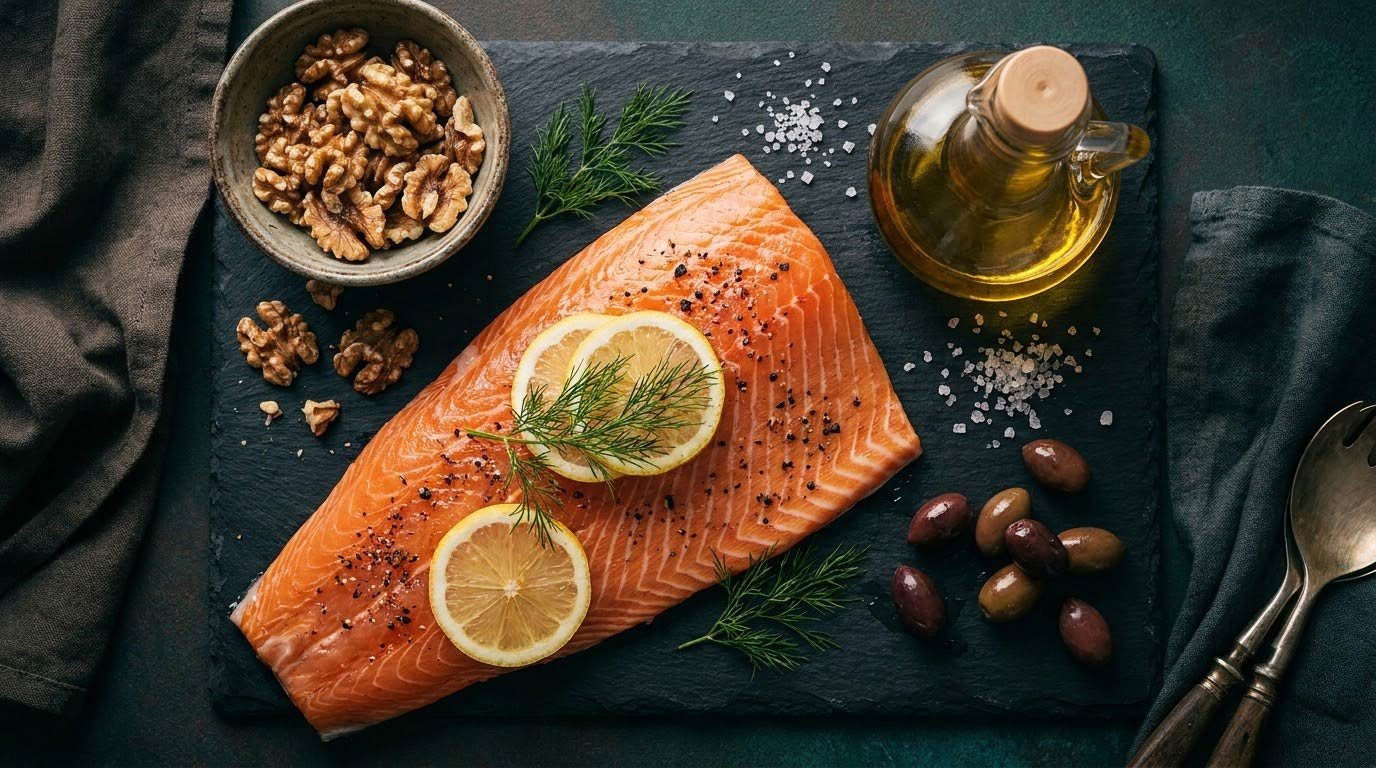
- Fatty fish (salmon, sardines, mackerel) — the EPA and DHA omega-3 fatty acids are among the best-evidenced dietary anti-inflammatory agents. Two servings per week is the commonly recommended target.
- Extra-virgin olive oil — oleocanthal, a compound in virgin olive oil, has a similar molecular action to ibuprofen (though you'd need to consume impractical quantities to get a drug-like effect). The evidence supports it as the principal added fat in an anti-inflammatory pattern.
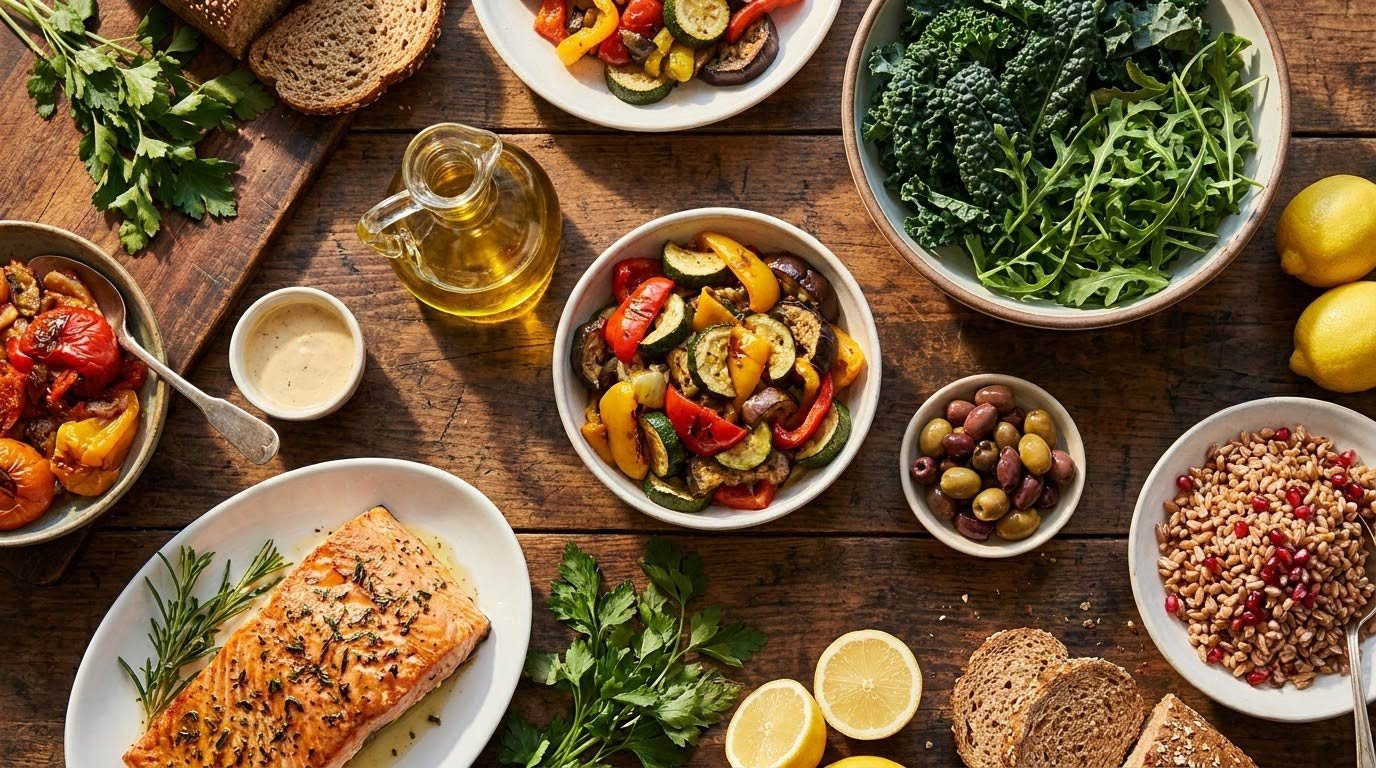
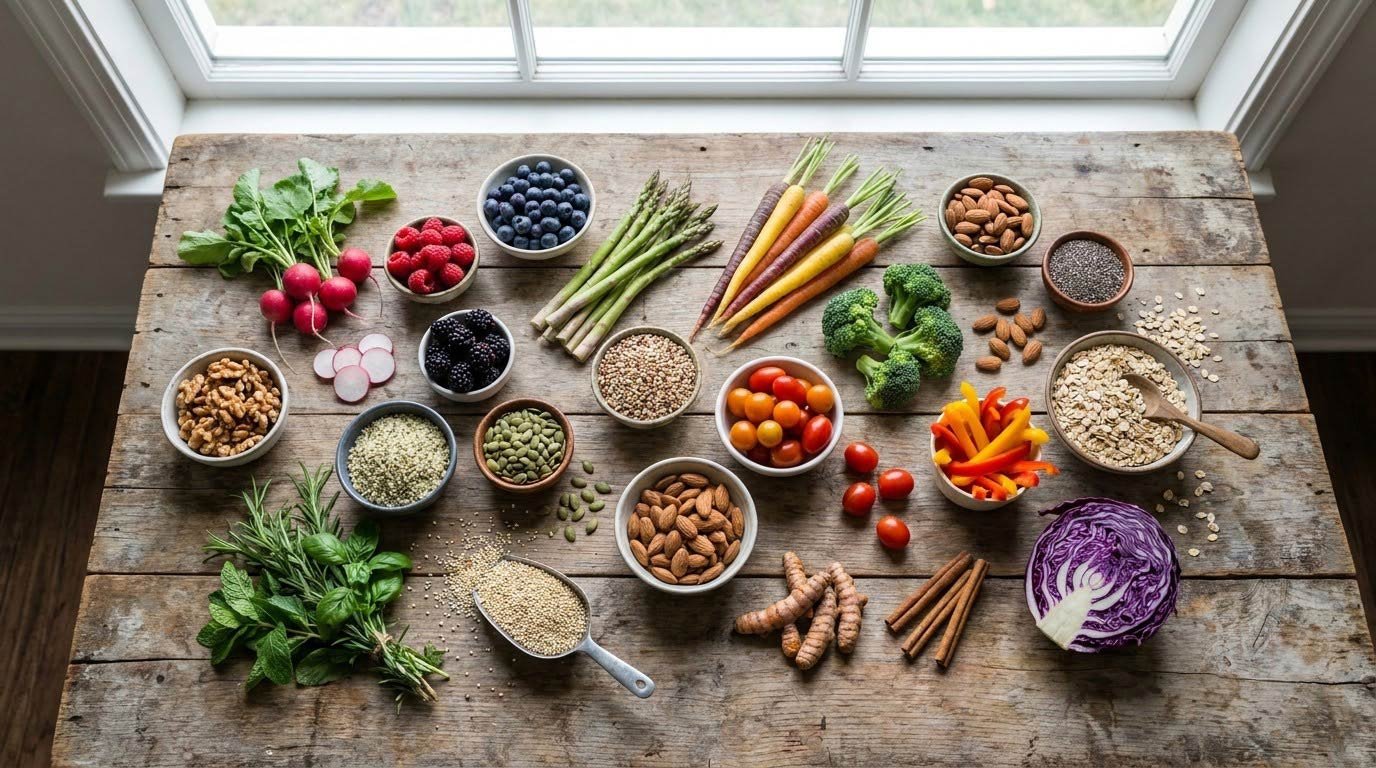
- Leafy greens and colorful vegetables — rich in polyphenols, fiber, and micronutrients. The anti-inflammatory dietary patterns that show the strongest results emphasize 8+ servings of varied vegetables daily.
- Berries — anthocyanins (the pigments that give berries their color) are among the most consistently studied anti-inflammatory compounds in food.
- Nuts and seeds — walnuts, almonds, flaxseeds, and chia seeds provide alpha-linolenic acid (plant omega-3), fiber, and vitamin E. Regular nut consumption is associated with lower inflammatory markers in observational cohorts.
- Legumes (lentils, chickpeas, beans) — fiber-rich, low-glycemic, and inexpensive. The fiber feeds gut bacteria that produce short-chain fatty acids, which help regulate systemic inflammation.
- Whole grains (oats, quinoa, brown rice) — intact grains rather than flour products. The bran and germ contain the anti-inflammatory compounds; refining removes them.
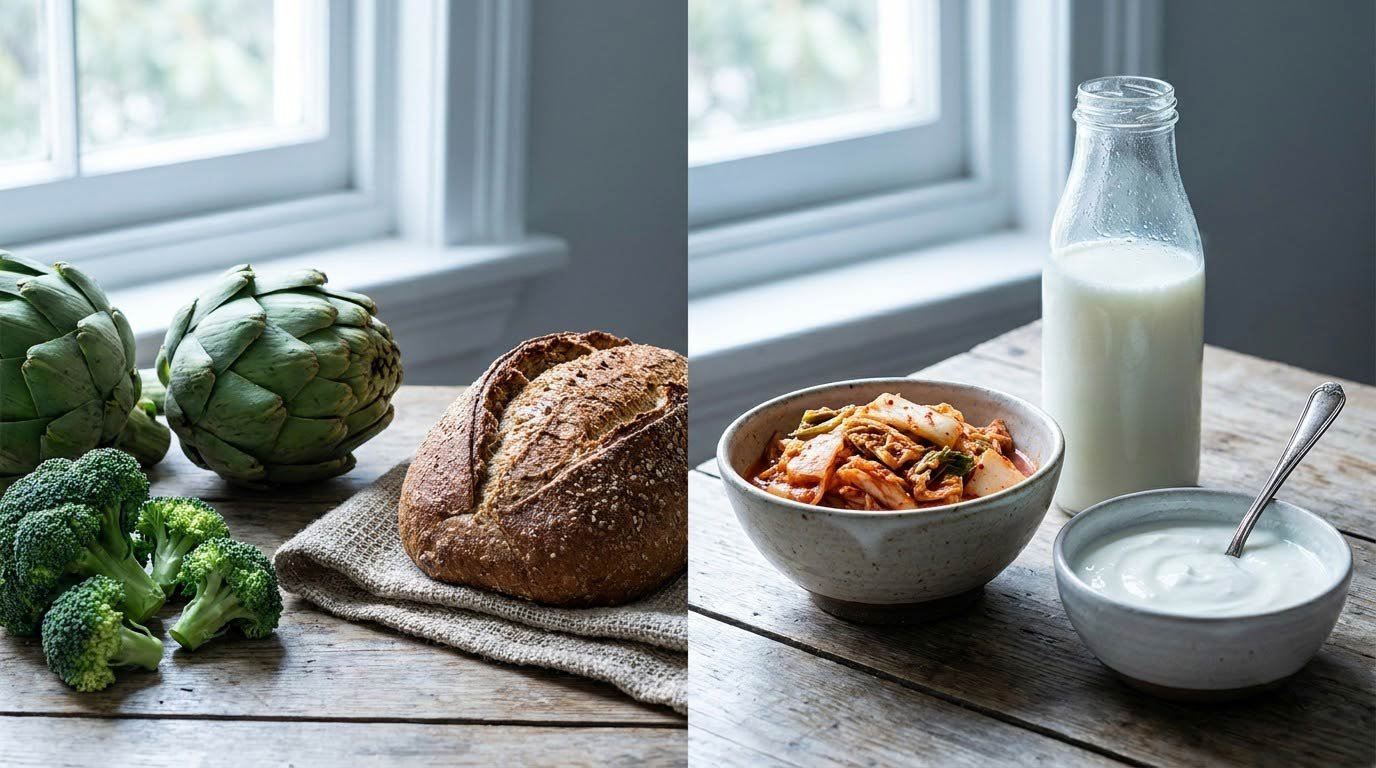
- Fermented foods (yogurt, kefir, kimchi, sauerkraut) — a landmark Stanford trial found fermented foods increased microbiome diversity and reduced inflammatory markers in 10 weeks.
What to limit
Just as some foods are consistently associated with lower inflammatory markers, others are consistently associated with higher ones. The pattern matters more than any single item — but these categories deserve honest attention.
- Sugar-sweetened beverages — the fastest dietary route to metabolic stress and inflammatory signaling. Replacing them with water or unsweetened beverages is one of the highest-leverage swaps.
- Refined carbohydrates — white flour products, pastries, and processed snack foods strip away the fiber and micronutrients that slow glucose absorption. The resulting rapid glucose spikes trigger inflammatory responses.
- Processed meats — bacon, sausage, deli meats. Consistently associated with higher inflammatory markers and increased cardiovascular risk in observational studies.
- Excess alcohol — moderate intake may be neutral, but heavy drinking reliably increases inflammatory markers and liver stress.
- Industrial trans fats — largely removed from the food supply in many countries, but still worth checking labels for partially hydrogenated oils.
Build 80% of your eating pattern from the anti-inflammatory foods above, and stop stressing about the remaining 20%. Perfection is not the goal — consistency over months and years is what the evidence actually measures.
The Stanford fermented-foods trial
In 2021, Stanford researchers ran a 10-week controlled feeding study comparing a high-fiber diet to a high-fermented-foods diet. The results surprised many: the fermented-food group showed increased microbiome diversity and measurable reductions in inflammatory markers, while the high-fiber group did not — at least not in the short timeframe studied.
The likely explanation: participants eating a typical Western diet lacked the fiber-fermenting gut bacteria needed to unlock fiber's anti-inflammatory benefits. Fermented foods appeared to rebuild that capacity first. The two approaches aren't rivals — fermented foods may restore the workforce; fiber keeps it employed.
The two approaches aren't rivals. Fermented foods may rebuild the workforce; fiber keeps it employed.— The Stanford fermented-foods trial, summarized
The practical plate
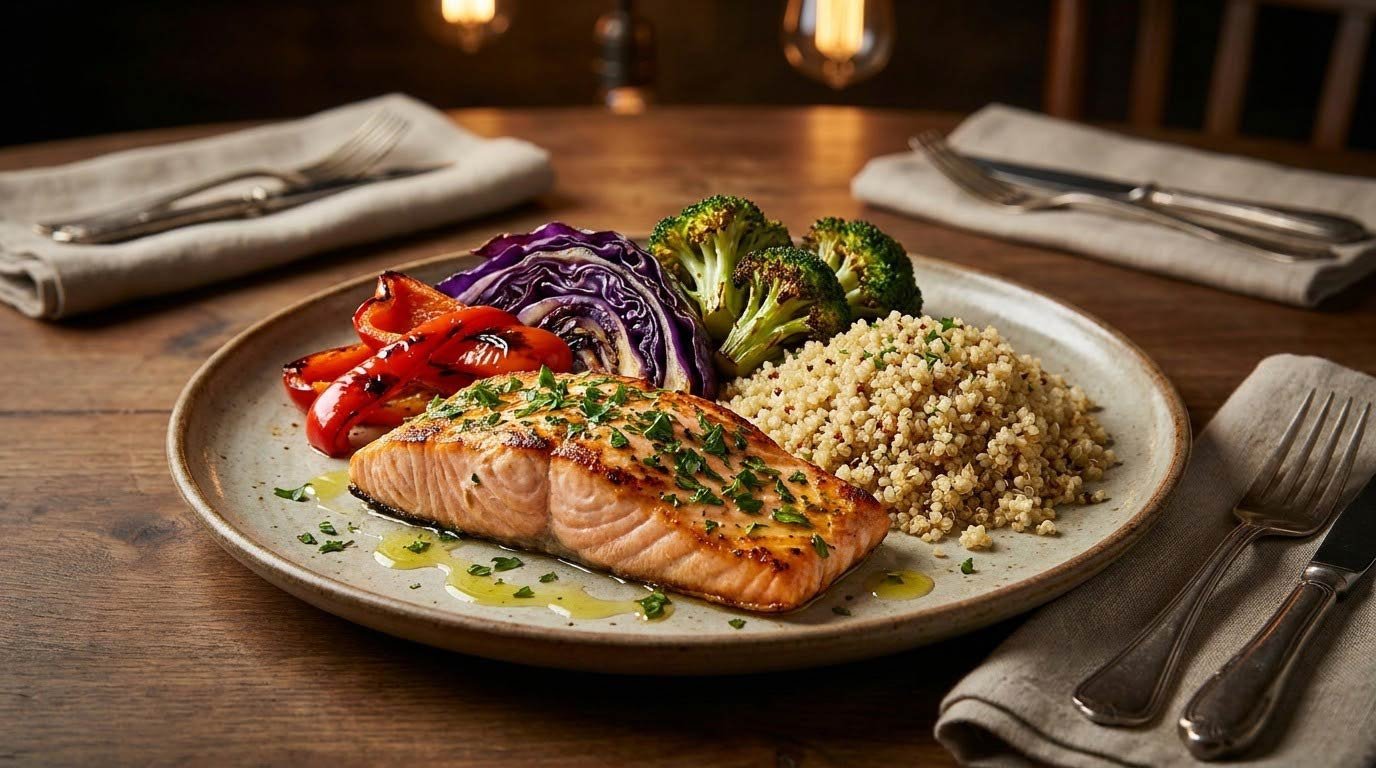
The most anti-inflammatory meal you can build doesn't require a recipe — it requires a structure. Think of the plate in four parts:
- Half the plate: vegetables — raw, cooked, or fermented. Color diversity = polyphenol diversity. Two or three different colored vegetables per meal is a practical target.
- Quarter: protein — fish (fatty fish twice weekly), legumes, poultry, or eggs. Plant protein carries fiber and polyphenols along; animal protein carries B12 and complete amino acids.
- Quarter: whole grains or starchy vegetables — intact grains (oats, quinoa, brown rice) or sweet potatoes rather than flour-based products.
- Add: olive oil — as the principal added fat. Generously on vegetables, moderately on everything else.
What about turmeric, ginger, and other 'anti-inflammatory spices'?
The biochemistry is real: curcumin (turmeric), gingerol (ginger), and other spice compounds genuinely show anti-inflammatory activity in laboratory studies. The problem is delivery — curcumin is poorly absorbed on its own, and the doses used in lab studies are far higher than what a normal culinary serving provides.
The honest summary: traditional pairings like turmeric + black pepper + fat (which increases curcumin absorption significantly) are smart culinary practices. But a pinch of turmeric in a curry is a seasoning, not a treatment. Enjoy spices for their flavor and their modest contribution — not as a substitute for the dietary pattern that actually carries the evidence.
If you use turmeric, always pair it with black pepper (the piperine increases curcumin absorption dramatically) and a source of fat. Use fresh ginger liberally in cooking and tea. These are culinary optimizations, not medical ones.
The seed-oil debate, honestly framed
Seed oils (sunflower, canola, soybean) have become a flashpoint in nutrition discourse. The theoretical concern: they're high in omega-6 linoleic acid, which is a precursor to inflammatory signaling molecules. The controlled-trial evidence, however, does not show that consuming seed oils raises inflammatory markers in humans as theory predicted.
The more honest concern about seed oils is what they travel in: ultra-processed, deep-fried, and packaged foods engineered for overconsumption. People who eat lots of fried and packaged food have worse health outcomes regardless of which specific oil is used. If your diet is mostly home-cooked with olive oil as the default, seed oils in moderation are unlikely to be your bottleneck.
Blaming seed oils for the harms of ultra-processed food is like blaming flour for the harms of donuts.— A fair framing of the evidence
Supplements: what's worth knowing
Food-first is the honest starting point, but some supplements have real trial evidence for specific situations. None of them should be started without understanding the context — and none of them replace the dietary pattern above.
- Fish oil (EPA/DHA) — has genuine evidence for triglyceride lowering and inflammatory marker reduction. The strongest cardiovascular trial (REDUCE-IT) used prescription-grade EPA at 4g daily in high-risk patients — not a standard supplement dose.
- Curcumin supplements — absorption-enhanced forms (phytosome, with piperine) exist, but the human outcome trials are small and short. Culinary turmeric is a spice, not a medicine.
- Probiotic capsules — the Stanford trial used food, not capsules. Probiotic supplements have strain-specific effects that are hard to generalize. Food sources (yogurt, kefir, kimchi) carry the better-evidenced delivery.
- Vitamin D — deficiency is associated with worse inflammatory markers, and correcting deficiency may help. Supplementing normal levels shows little additional benefit.
If you have a diagnosed inflammatory condition (rheumatoid arthritis, IBD, psoriasis, cardiovascular disease), dietary changes can support but never replace the treatment plan you've built with your clinician. Do not stop or adjust prescribed medications to try a diet.
The 30-plants-per-week habit
If there's one practical target worth aiming for from the microbiome research, it's this: aim for 30 different plant foods per week. Not 30 servings — 30 distinct plants. Herbs, spices, nuts, seeds, grains, and different colored vegetables all count. Studies link plant diversity directly to microbiome diversity, which is the strongest marker of gut resilience and inflammatory regulation.
This sounds ambitious until you realize how quickly it adds up: oats, blueberries, and coffee at breakfast is already three. A lunch salad with five vegetables, quinoa, and olive oil is eight more. By Thursday you're at twenty without trying.
This week: replace one processed snack with nuts or fruit. Add one serving of fatty fish. Put olive oil on your vegetables instead of butter. Build a salad with five different colored plants. That's the foundation — everything else sits on top.
When this article is not enough
This guide covers general dietary patterns for healthy adults. If you have a diagnosed inflammatory condition, are managing multiple medications, are pregnant, or are experiencing unexplained symptoms that concern you, seek professional medical advice. A registered dietitian can help you adapt these patterns to your individual needs and medical history.
Omega-3: EPA & DHA
The most-evidenced anti-inflammatory nutrient on the shelf. The full journey: how EPA and DHA resolve inflammation, which forms absorb best, prescription-grade trials, and honest grades for heart, joints, and general use.
Explore the omega-3 journey →Where this information comes from
- anti-inflammatory eating pattern overview
- Mediterranean and DASH dietary patterns
- food-first approach to chronic disease prevention
- EPA and DHA content in fish
- omega-3 fatty acid evidence for inflammatory markers
- upper intake considerations
- population-level fruit and vegetable intake data
- servings recommendations
- nutrition guidance for older adults
- dietary pattern recommendations
Our evidence principles
How we evaluated the claims on this page
- Prefer government health agencies, major medical organizations, clinical guidelines, systematic reviews, and well-designed human studies.
- Distinguish established evidence from promising but uncertain research.
- Avoid presenting a single food, nutrient, or supplement as a universal solution to inflammation.
- Use numbers only when the population, context, and evidence are clear.
- Encourage clinician involvement when inflammation relates to a diagnosed condition, medication, or treatment decision.
Educational information — not medical advice
This article is for educational purposes and does not diagnose, treat, cure, or prevent disease. Dietary needs vary by medical history, medications, conditions, and individual circumstances. If you have a diagnosed inflammatory condition, work with your healthcare provider on your treatment plan. BodyFinds should display its medical disclaimer and source methodology alongside this article.