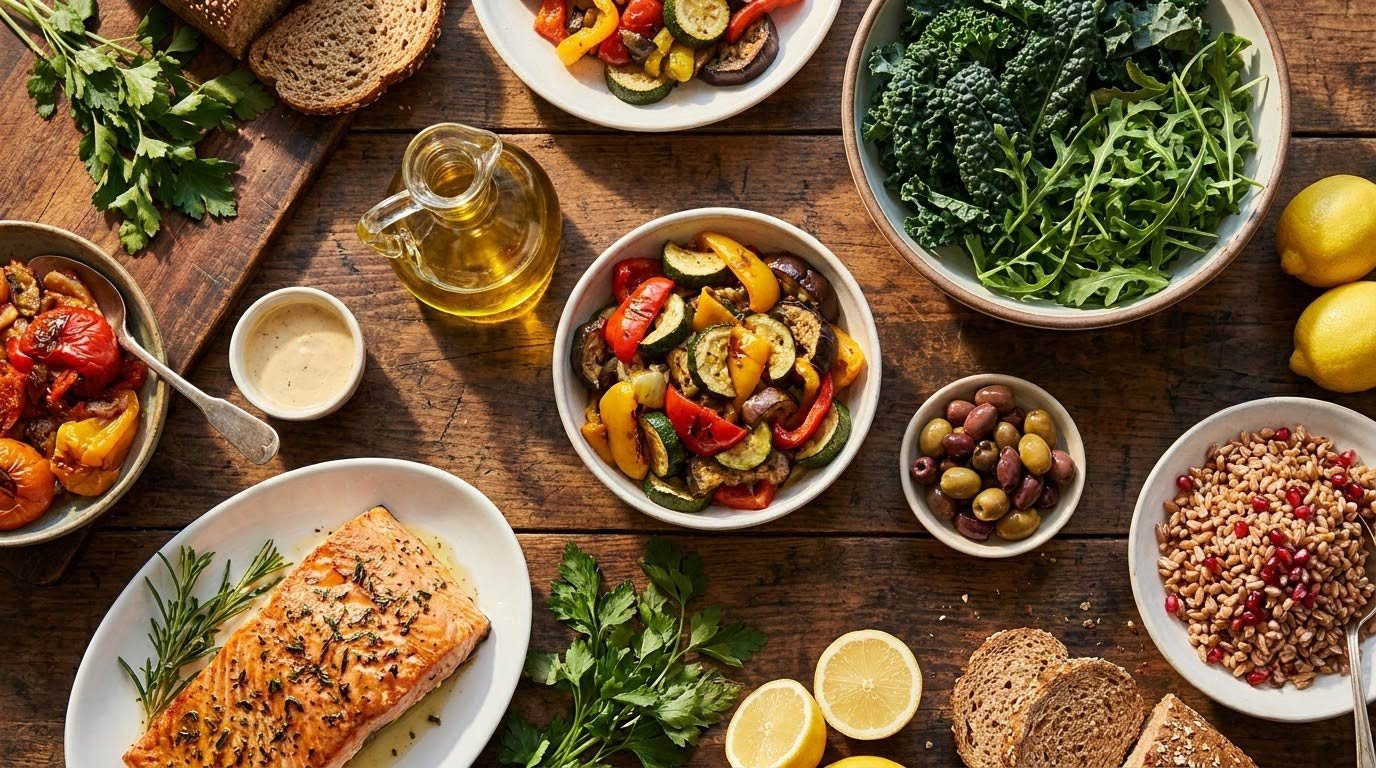
Fermented Foods vs Probiotic Pills: What the Study Found
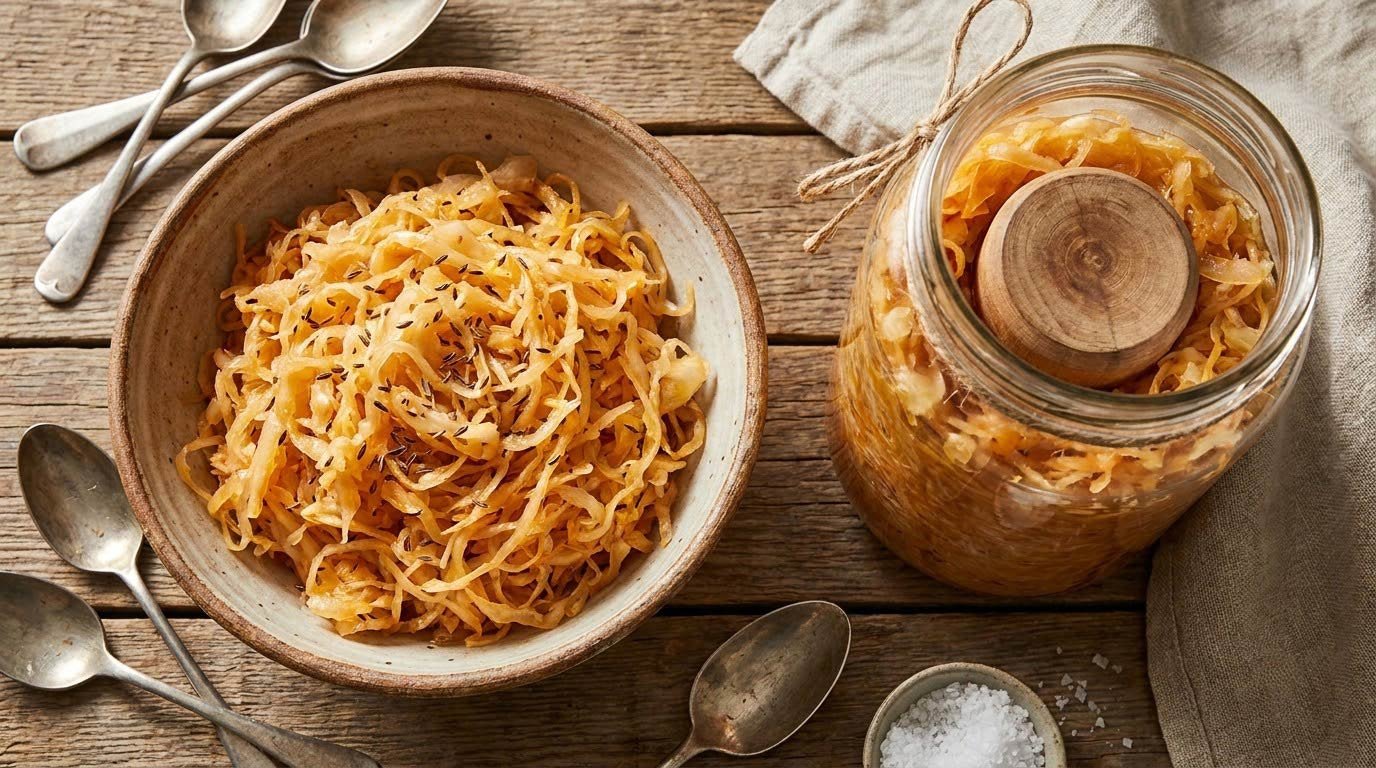
In 2021, Stanford researchers ran a head-to-head trial: fermented foods versus high-fiber foods, each for 10 weeks. The results rewired assumptions about the microbiome — and challenged what most people think probiotic capsules do.
The fermented-food group — eating yogurt, kefir, kimchi, sauerkraut, and fermented vegetables daily — showed increased microbiome diversity and measurable reductions in inflammatory markers. The high-fiber group, counterintuitively, showed neither effect in the short timeframe studied.
The surprising winner
Let's be specific about what the Stanford team (Wastyk et al., published in Cell) actually found. They recruited healthy adults and randomly assigned them to one of two 10-week dietary interventions: a high-fiber diet (rich in whole grains, legumes, fruits, and vegetables) or a high-fermented-foods diet (yogurt, kefir, fermented cottage cheese, kimchi, sauerkraut, and fermented vegetables).
The results, measured through stool samples and blood markers:
- Fermented-food group: microbiome diversity increased measurably. Of 19 inflammatory proteins measured, most declined. The effects were dose-responsive — more fermented food servings, more diversity.
- High-fiber group: microbiome diversity did not increase in the 10-week window. Inflammatory markers did not significantly change. However, the researchers found something important: the fiber group's gut bacteria did change their gene expression — they started producing more fiber-degrading enzymes. They were preparing to ferment fiber but hadn't yet multiplied.
Why fiber didn't win (this time)
This is the most interesting part of the study — the part the headlines mostly missed. The high-fiber group's microbiome started responding — bacterial gene expression shifted toward fiber degradation — but the bacteria themselves hadn't yet multiplied to the numbers needed to produce measurable health effects.
The explanation: participants eating a typical Western diet lacked the fiber-fermenting gut bacteria needed to unlock fiber's anti-inflammatory benefits. The machinery was being installed but hadn't yet come online. Fermented foods, by contrast, delivered live bacteria directly — bypassing the buildup phase and showing immediate effects.
The two approaches aren't rivals. Fermented foods may rebuild the workforce; fiber keeps it employed.— The Stanford fermented-foods trial, summarized
What fermented foods actually do
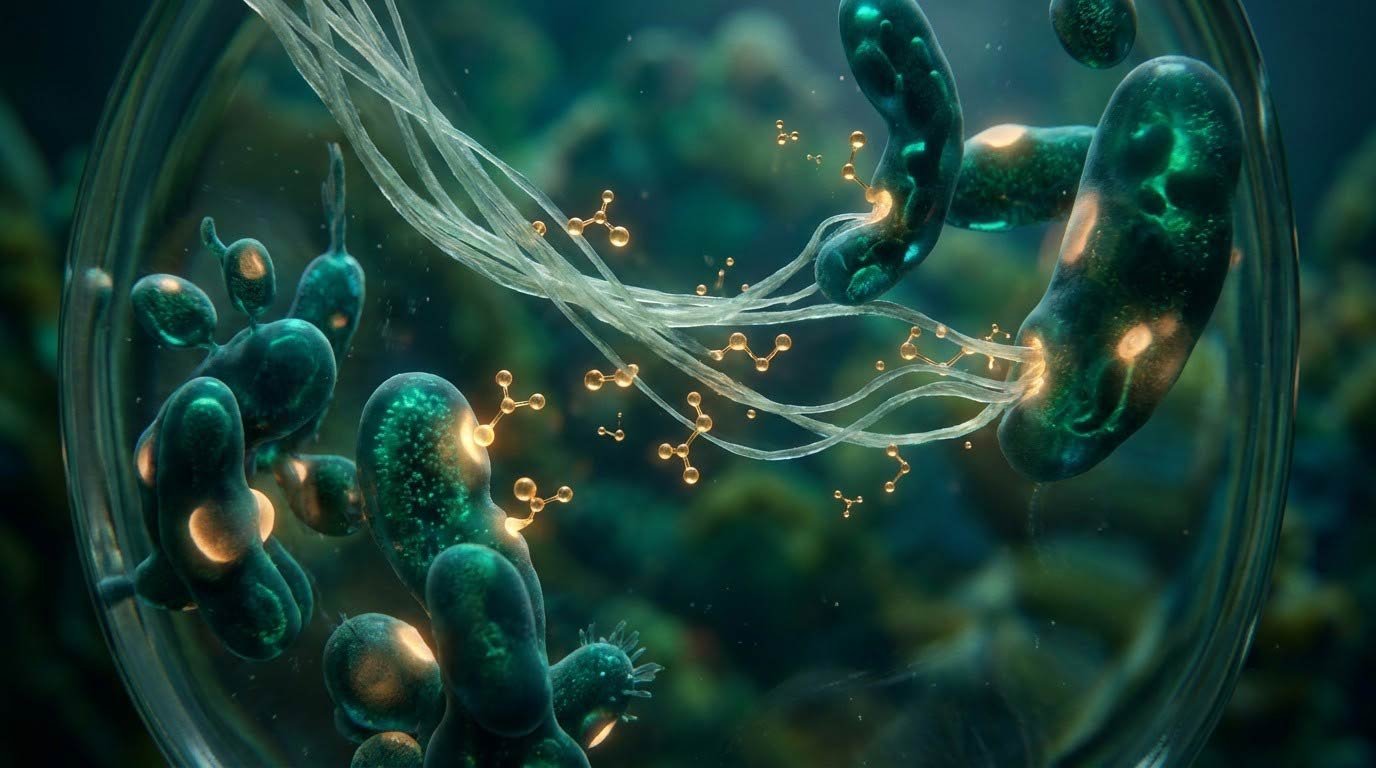
The mechanism is more nuanced than 'probiotics colonize your gut.' In many cases, the bacteria in fermented foods don't permanently take up residence — they're transient visitors. What they do is:
- Feed existing bacteria. Fermented foods carry the metabolites and prebiotic compounds that resident gut bacteria use as fuel, stimulating the population you already have.
- Deliver bioactive compounds. The fermentation process itself produces short-chain fatty acids, bioactive peptides, and other metabolites that interact with the gut lining and immune system directly.
- Stimulate diversity through variety. Different fermented foods carry different bacterial species and metabolites. The trial's dose-response finding (more servings = more diversity) suggests variety matters as much as any single food.
Why probiotic capsules are different
Here's where the story gets practical. The Stanford trial used food, not capsules. Probiotic supplements are a fundamentally different product — and the evidence for them is more complicated:
- Strain-specific effects. Probiotic capsules typically contain 1–8 specific strains. Their effects depend on which strains, at what dose, in what condition, in which person. Generalizing from one trial to all probiotics is a category error.
- Variable survival. Whether the bacteria survive stomach acid, reach the intestine, and remain active depends on the capsule technology, the strain, and the individual's digestive environment.
- The food advantage. Fermented foods deliver bacteria in their natural food matrix — alongside the prebiotic fiber, metabolites, and nutrients that help them function. This is the delivery system the trial tested.
Fermented foods have trial evidence for increasing microbiome diversity and reducing inflammatory markers. Probiotic capsules have strain-specific evidence for specific conditions (IBS, antibiotic-associated diarrhea, etc.) — but not for the general 'gut health' outcome most people buy them for. Food carries the broader evidence.
The practical starting lineup
If the Stanford trial's approach appeals to you, here's what '6 servings daily' actually looked like — and how to start:
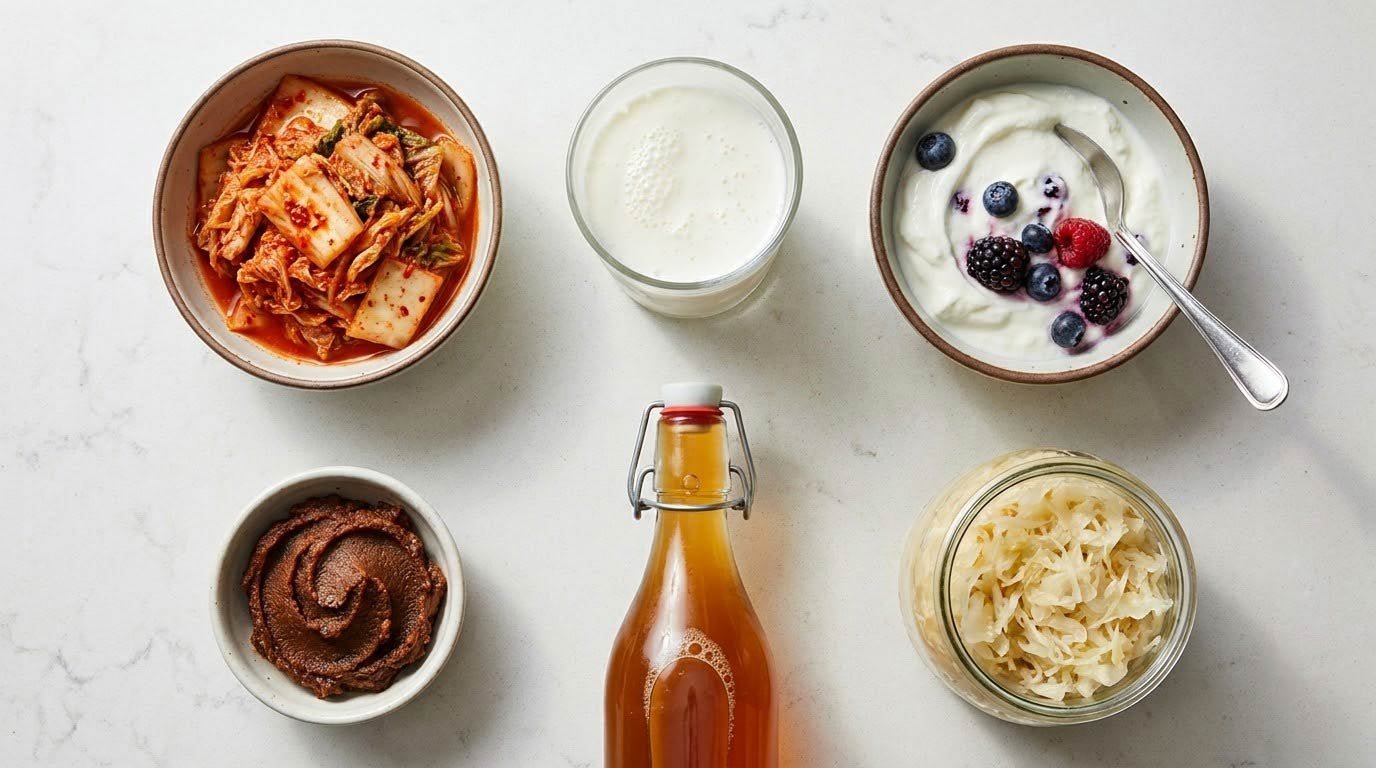
- Plain yogurt with live cultures — the easiest entry point. Check the label for 'live and active cultures.'
- Kefir — fermented milk with a broader bacterial range than yogurt. Slightly tangy, drinkable.
- Kimchi — Korean fermented cabbage. One forkful with meals adds a serving.
- Sauerkraut — fermented cabbage. Look for refrigerated versions (shelf-stable jars are often pasteurized — no live bacteria).
- Fermented cottage cheese or fromage blanc — the type used in the trial.
- Kombucha — fermented tea. Lower bacterial load but contributes to daily variety.
- Miso and tempeh — fermented soy products. Add to soups and stir-fries.
If your current diet is low in fermented foods, jumping to 6 servings daily will produce gas and bloating. Start with 1 serving daily for a week, then increase gradually. Your gut — and the people around you — will thank you.

The bottom line
The Stanford trial didn't prove that fermented foods are better than fiber long-term — the study was too short for that. What it proved is that fermented foods have a rapid, measurable effect on microbiome diversity and inflammatory markers, while fiber's effects take longer to build but are equally real.
The best strategy is both: fermented foods for the immediate workforce boost, fiber for the long-term employment contract. And if you're currently taking a probiotic capsule for general 'gut health' without a specific diagnosed reason, the evidence suggests you'd get more from a daily serving of kimchi.
This week: add one serving of fermented food daily — a forkful of kimchi with dinner, plain yogurt at breakfast, or kefir in a smoothie. After a week, add a second. Build toward 4–6 servings across the day. Your microbiome will notice.
When this article is not enough
If you have persistent digestive symptoms — bloating, pain, irregular bowel habits, blood in stool, or unexplained weight changes — seek medical evaluation rather than self-treating with fermented foods. Some gut conditions (SIBO, histamine intolerance, IBD flares) can be worsened by certain fermented foods, and diagnosis matters before treatment.
Probiotics: The Strain Story
The full journey: which strains have trial evidence for what conditions, why survival matters, food vs capsule delivery, and honest grades for the entire probiotic aisle.
Explore the probiotics journey →Where this information comes from
- 10-week controlled feeding study design
- fermented-food group showed increased microbiome diversity
- 19 inflammatory proteins measured — most declined
- high-fiber group did not show the same short-term effect
- baseline microbiome diversity as a health marker
- the relationship between diet and microbial composition
- strain-specific effects of probiotic capsules
- the challenge of generalizing across strains
- comparison with whole-food fermented sources
- dietary patterns and gut health
- fiber and SCFA production
- food-first microbiome guidance
Our evidence principles
How we evaluated the claims on this page
- Prefer government health agencies, major medical organizations, clinical guidelines, systematic reviews, and well-designed human studies.
- Distinguish established evidence from promising but uncertain research.
- Avoid presenting any single fermented food or probiotic strain as a universal gut-health solution.
- Use numbers only when the population, context, and evidence are clear.
- Encourage clinician involvement when digestive symptoms are persistent, severe, or accompanied by concerning signs.
Educational information — not medical advice
This article is for educational purposes and does not diagnose, treat, or prevent any medical condition. Digestive symptoms can signal underlying conditions that require professional evaluation. People with compromised immune systems, SIBO, or histamine intolerance should consult their healthcare provider before increasing fermented food intake. BodyFinds should display its medical disclaimer and source methodology alongside this article.