Sleep & Recovery
Sleep is not downtime — it is the shift where the day's repair work happens: muscle rebuilt, memories consolidated, and the brain's waste-clearance system runs. This page maps the recovery story honestly: the first-order behavioral factors, the few nutrients with real evidence, and the sleep problems that belong to a clinician, not a supplement shelf.
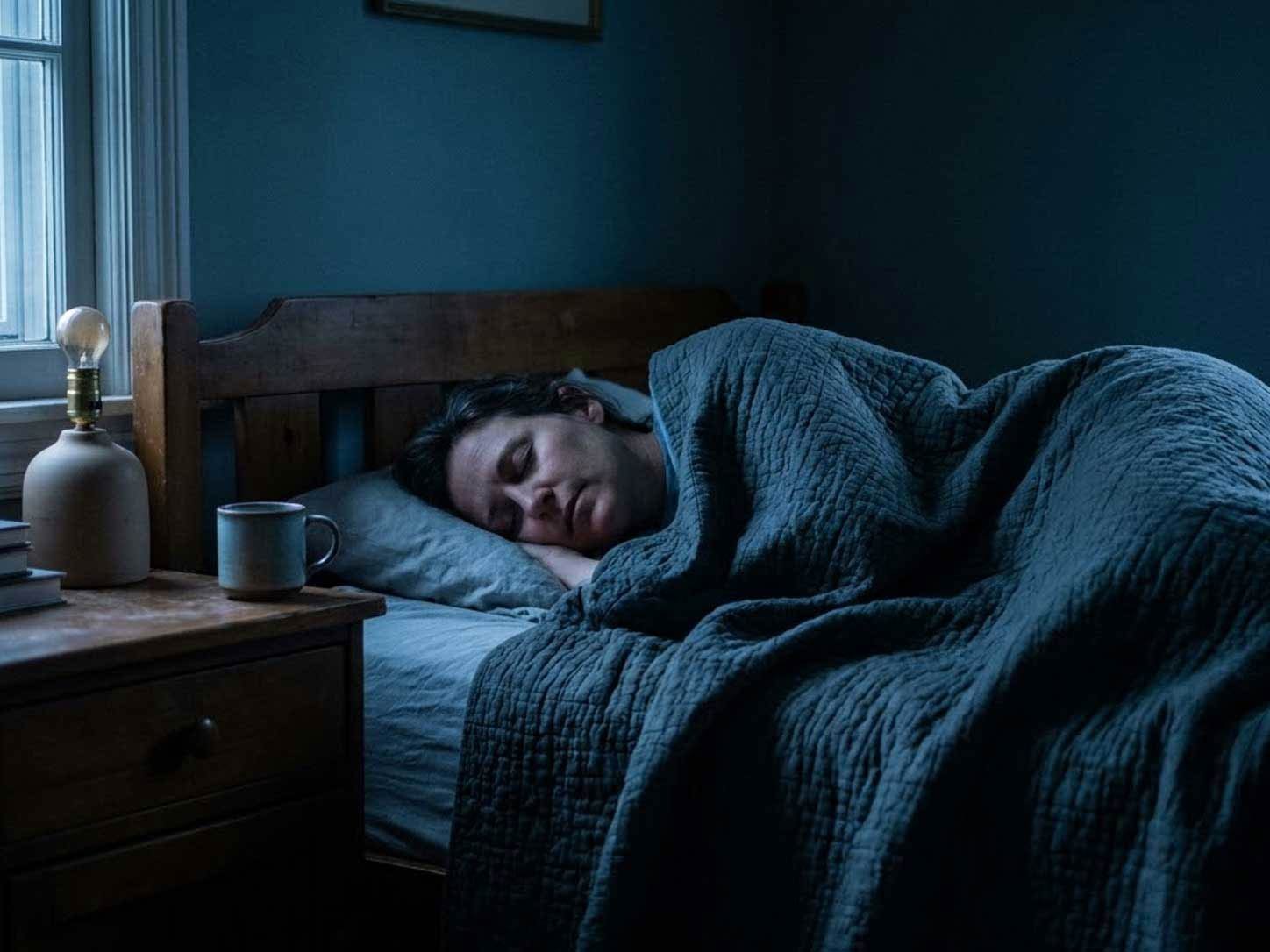
The overnight repair shift
A night of sleep is structured work: roughly 90-minute cycles alternating between deep sleep — when growth hormone releases, muscles repair, and the immune system recalibrates — and REM sleep, when memories consolidate and the brain processes the day. The brain even runs its own waste-clearance system, more active asleep than awake.
This is why 'recovery' is the honest frame for sleep: training breaks tissue down, but repair happens overnight. The same applies to learning, immune defense, and emotional regulation — sleep is when the maintenance gets done. And it's why the marketing answer — a single pill for 'better sleep' — is usually the wrong first question.
- Deep sleep handles physical repair; REM handles memory and cognition.
- Muscle repair from training runs overnight — sleep is half of any training plan.
- The brain's waste-clearance system is most active during sleep.
- Most adults need 7–9 hours; the exact need is individual but the range is not.
“Training breaks the body down. Sleep is where it gets built back.”
— The recovery principleThe factor families
Sleep environment & habits
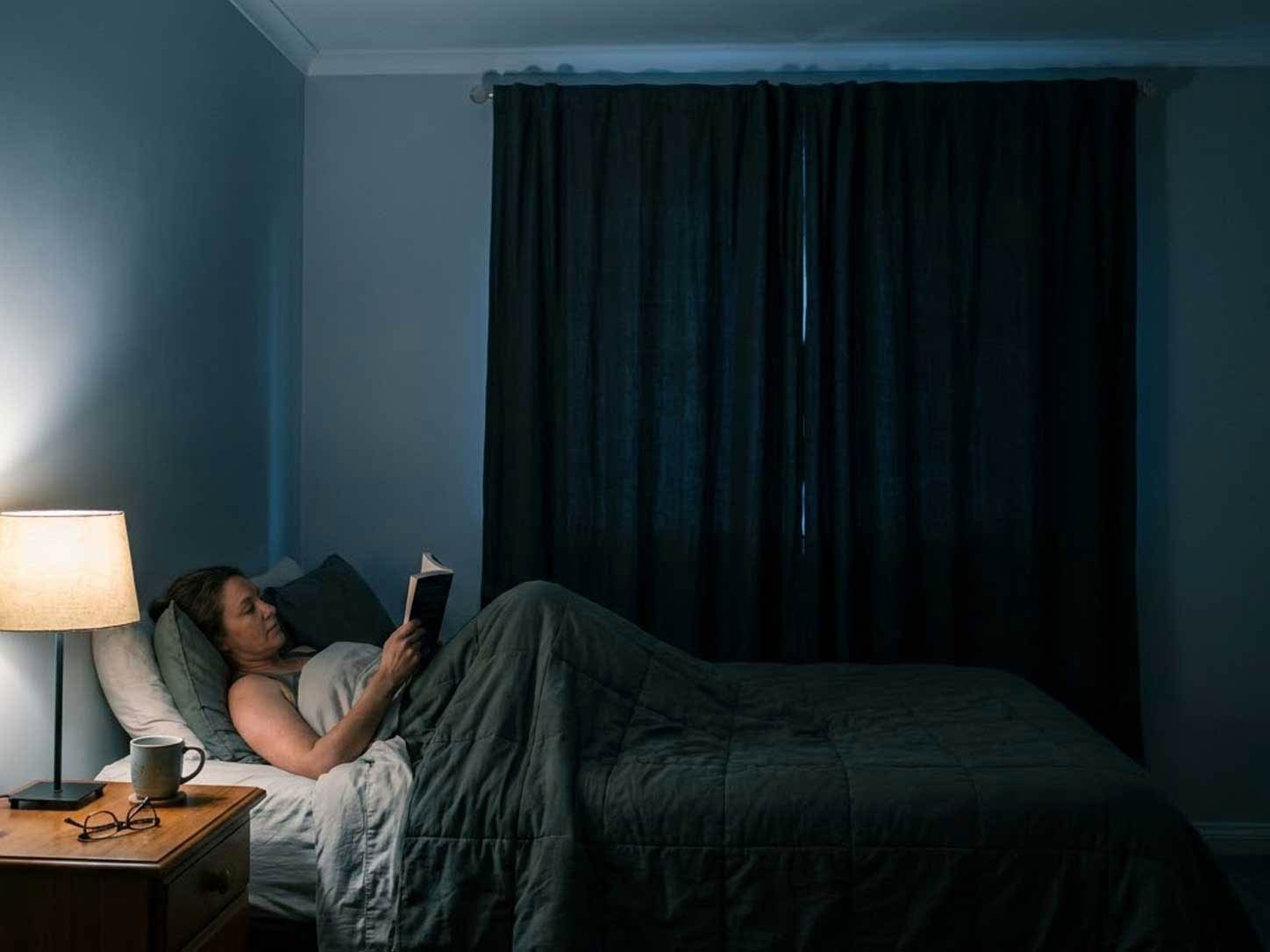
Consistent schedule, dark cool room, and a wind-down routine — the behavioral foundation every guideline starts with.
Explore Sleep →Light & circadian timing
Morning light sets the night's clock. Timing matters as much as duration — the most underrated sleep lever.
Stress & mental load
A busy mind is the most common sleep thief — and the reason guideline-recommended insomnia therapy targets thoughts, not supplements.
Medical factors
Sleep apnea, restless legs, and chronic insomnia are clinical conditions — common, underdiagnosed, and treatable.
The story, frame by frame


What the evidence says — factor by factor
Every card links to its full BodyFinds chapter, with an honest evidence grade. Click through for the research and guidance.
The first-order input: duration, quality, and timing set the ceiling for every recovery process.
research-topicPopular for sleep — and a common dietary shortfall — but trial evidence for sleep improvement remains limited and mixed.
supplementLow ferritin drives restless legs for some people — and RLS quietly destroys sleep. Test, don't guess.
supplementOvernight muscle repair runs on pre-sleep protein — casein trials show the recovery pairing is real.
supplementDeficiency is associated with poorer sleep quality — but supplementation evidence for better sleep is thin.
supplementWhy am I always tired?
A 3-step guided journey that narrows down what's worth exploring for you — health information, not a diagnosis.
Where this information comes from
- NHLBI — Sleep Science and Sleep Disorders Government
- CDC — About Sleep Government
- NIH ODS — Magnesium Government
- NIH ODS — Iron Government
- MedlinePlus — Insomnia Government