What is Diabetes?
A chronic condition affecting how your body regulates blood sugar (glucose).
Diabetes is a chronic metabolic disorder that occurs when the pancreas does not produce enough insulin or when the body cannot effectively use the insulin it produces. It affects over 422 million people worldwide. Left unmanaged, high blood sugar can cause serious damage to the heart, blood vessels, eyes, kidneys, and nerves over time. The landmark Diabetes Prevention Program trial showed that structured lifestyle change cut progression from prediabetes to type 2 diabetes by 58% — outperforming the medication arm.
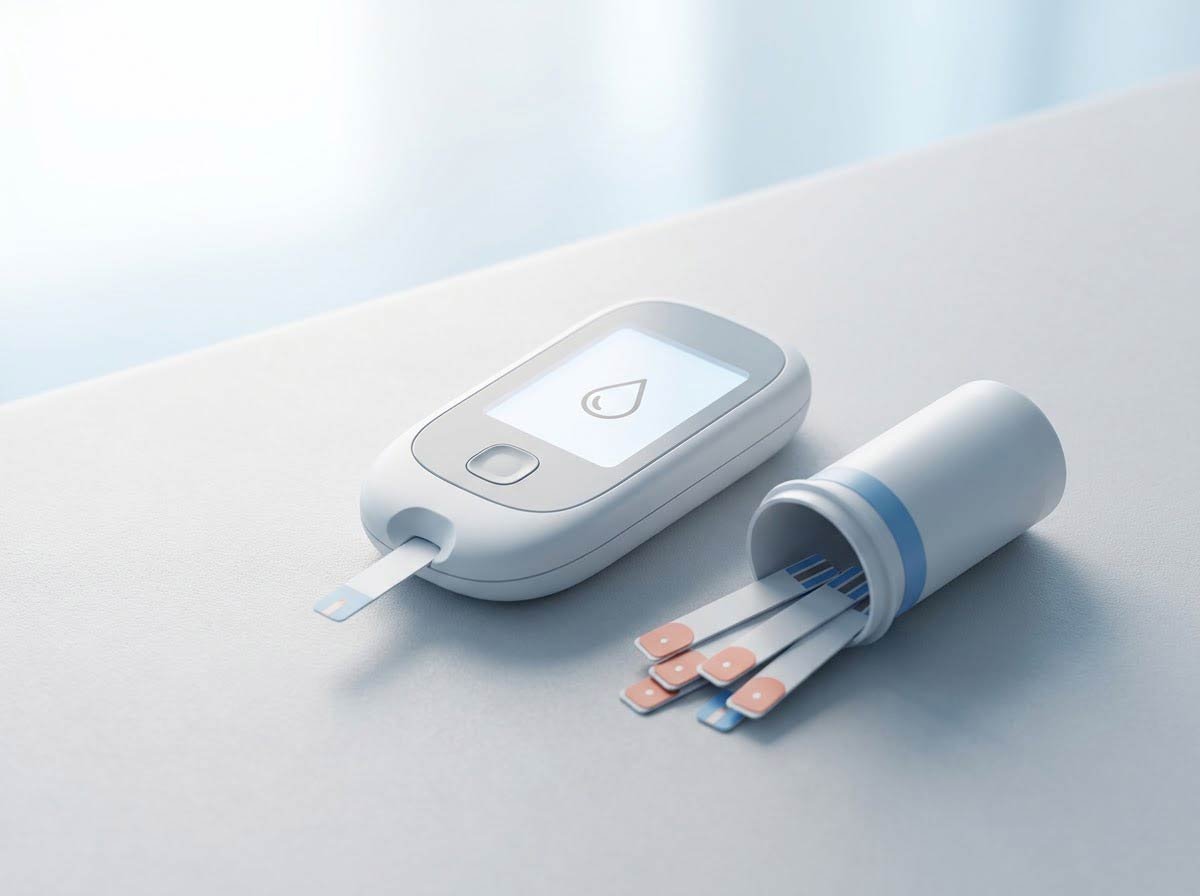
How Diabetes Connects
Understanding the Diabetes Spectrum
Diabetes is not a single uniform condition — it exists primarily in three forms: Type 1, Type 2, and Gestational. The condition is characterized by hyperglycemia (high blood sugar), which results from defects in insulin secretion, insulin action, or both.
Insulin is a hormone produced by the beta cells of the pancreas. It acts as a key, allowing glucose from the bloodstream to enter cells where it is used for energy. Without properly functioning insulin, glucose builds up in the blood, leading to cellular starvation and long-term systemic damage over time. The most important finding in this field: insulin resistance can begin silently up to 10 years before a Type 2 diagnosis — the window where prevention works hardest.
- Type 1 Diabetes: An autoimmune condition where the immune system destroys the insulin-producing beta cells. Requires lifelong insulin therapy.
- Type 2 Diabetes: A progressive condition where cells become resistant to insulin and the pancreas eventually cannot compensate. Highly linked to lifestyle factors.
- Gestational Diabetes: High blood sugar developing during pregnancy. Usually resolves after birth but increases future Type 2 risk.
- Prediabetes: Blood sugar higher than normal but not yet diabetic — the critical, reversible window.
The Diabetes Prevention Program: Prevention Beats Medication
The landmark DPP trial enrolled 3,234 adults with prediabetes and randomized them to: intensive lifestyle intervention, metformin, or placebo. The lifestyle arm — targeting 7% weight loss and 150 minutes of weekly physical activity — cut progression to diabetes by 58%, versus 31% for metformin. The result was so decisive the trial was unblinded early.
The implication is central to this page: Type 2 diabetes is largely preventable through structured lifestyle change. Early detection of prediabetes and immediate intervention can halt or reverse the progression of the disease.
Every adult should know their fasting glucose and HbA1c. Fasting glucose reads <100 as normal, 100-125 as prediabetes, ≥126 as diabetes. A1c reads <5.7 / 5.7-6.4 / ≥6.5 on the same three rungs. More than a year since your last blood work is the appointment to make.
Insulin resistance can begin silently up to 10 years before a Type 2 diabetes diagnosis is officially made — the window where prevention works hardest.
- Type 1 is an autoimmune disease, while Type 2 is primarily metabolic.
- Excess visceral fat (belly fat) is the leading driver of insulin resistance.
- Diabetes is a leading cause of blindness, kidney failure, and lower limb amputations.
- Proper management can completely prevent long-term complications.