What is Anemia?
A condition where your blood cannot carry enough oxygen to meet your body's demands.
Anemia is not a single disease — it is a laboratory finding that means your blood has too little hemoglobin, too few red blood cells, or red cells too small and pale to do their job. It affects nearly 2 billion people worldwide — roughly 1 in 4, with the heaviest burden in women of reproductive age. The consequence is the same regardless of cause: tissues run short of oxygen, and the classic symptom is fatigue that sleep doesn't fix. The most important framing on this page: anemia is a clue, not a diagnosis — finding the cause is the treatment's first step.
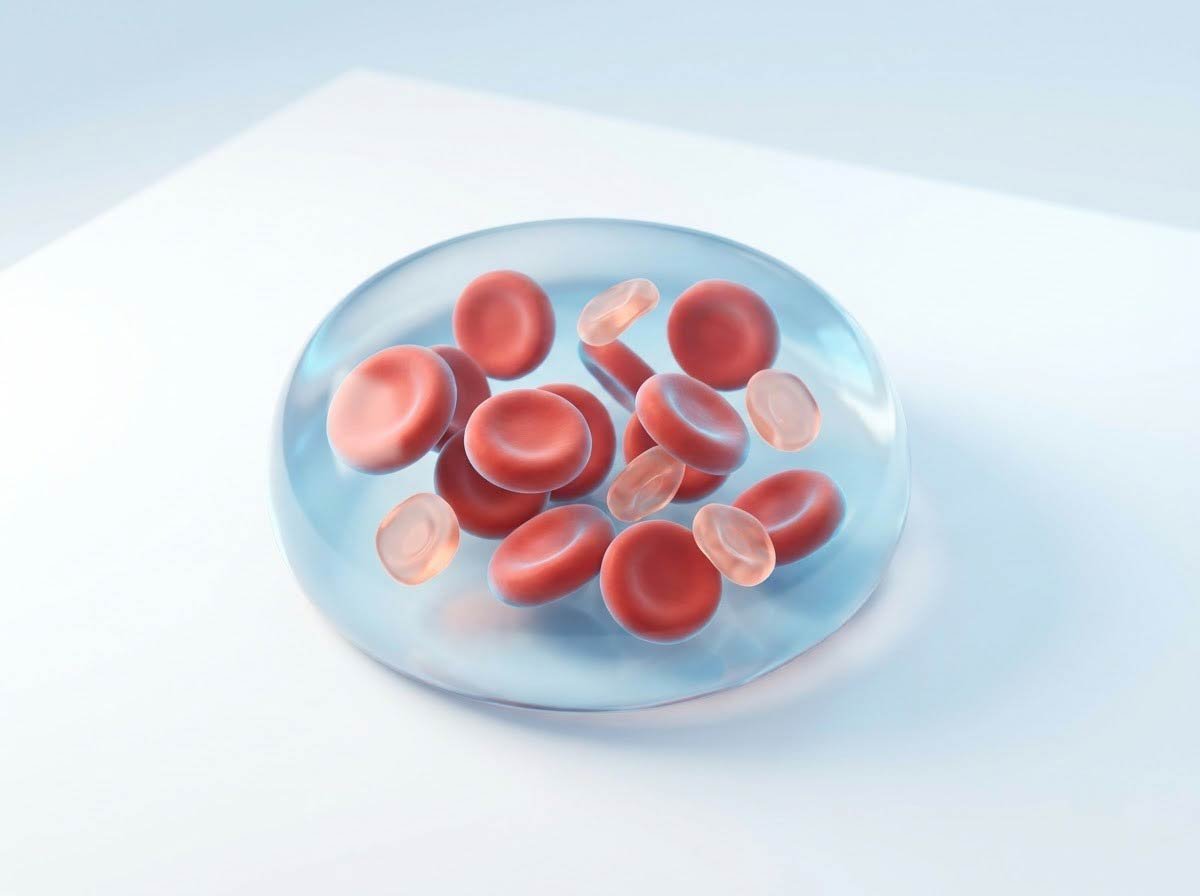
How Anemia Connects
Understanding the Anemia Spectrum
Doctors classify anemia by red-cell size on a routine blood count: microcytic (small cells — iron deficiency is the dominant cause), macrocytic (large cells — B12 or folate deficiency), and normocytic (normal-sized cells — chronic disease, kidney disease, or blood loss in progress). This classification is the diagnostic fork in the road: each pattern points to a different workup and a different treatment.
The global picture is dominated by iron deficiency anemia — the most common nutritional deficiency on earth and the most common cause of anemia overall. But the same fatigue pattern can come from B12 deficiency, chronic inflammation (where the body deliberately hides its own iron), inherited red-cell disorders, or slow unnoticed bleeding. That is why this page repeats one rule: test, don't guess — the treatment depends entirely on which anemia it is.
- Iron-deficiency anemia: small, pale cells — depleted iron stores from blood loss, low intake, or poor absorption. The most common form.
- B12/folate-deficiency anemia: large, immature cells — megaloblastic anemia. B12 deficiency additionally threatens the nervous system.
- Anemia of chronic disease: the body sequesters iron during illness — seen in kidney disease, autoimmune conditions, and cancer.
- Hemolytic anemias: red cells destroyed faster than the marrow can replace them — sickle cell disease and thalassemia are inherited forms.
- Iron deficiency without anemia: stores can run low while hemoglobin still reads 'normal' — increasingly recognized as a cause of fatigue.
Chlorosis: The 340-Year-Old Iron Cure
In the 1600s, physicians described the 'green sickness' — a pale, exhausted condition of young women that modern medicine now recognizes as iron deficiency anemia, often linked to heavy menstrual loss and poor diets. Thomas Sydenham treated it with iron filings in wine in the 1680s. It worked — centuries before anyone knew what hemoglobin was.
The episode is a double lesson. The treatment was right for the right patients — empirically, repeatedly. But applied to the wrong patient, iron does nothing or causes harm, which is precisely why modern medicine replaced the empirical iron cure with the blood test: confirm the deficiency before treating it.
Every adult should know their hemoglobin and ferritin from routine bloodwork. Hemoglobin below 13 g/dL in men, 12 g/dL in non-pregnant women, or 11 g/dL in pregnancy reads as anemia. Ferritin (the iron-storage gauge) below roughly 30 ng/mL suggests depleted iron stores. Critically: iron deficiency in men and postmenopausal women is never 'just diet' — it warrants a medical search for hidden bleeding.
Your body recycles iron from old red blood cells so efficiently that only about 1–2 mg must be absorbed from food each day. But that razor-thin margin is exactly why small, steady losses — like heavy periods — eventually drain the entire store.
- Roughly 30% of women of reproductive age worldwide are anemic — mostly from iron deficiency.
- Fatigue, breathlessness, and pallor are symptoms of oxygen shortage, not of any specific deficiency.
- Iron deficiency can exist with a completely normal hemoglobin — ferritin is the earlier signal.
- Restless legs at night is a recognized clue to low iron stores — a sleep complaint with a blood answer.