Sleep
Sleep isn't downtime — it's the overnight maintenance shift: muscle rebuilt, memories consolidated, and the brain's waste-clearance system running its only shift of the day. The night has an architecture (deep sleep front-loaded, REM back-loaded), a clock that decides when it's even possible, and a treatment landscape where the boring fundamentals outperform everything on the shelf. This page covers the system — and what actually fixes it when it breaks.
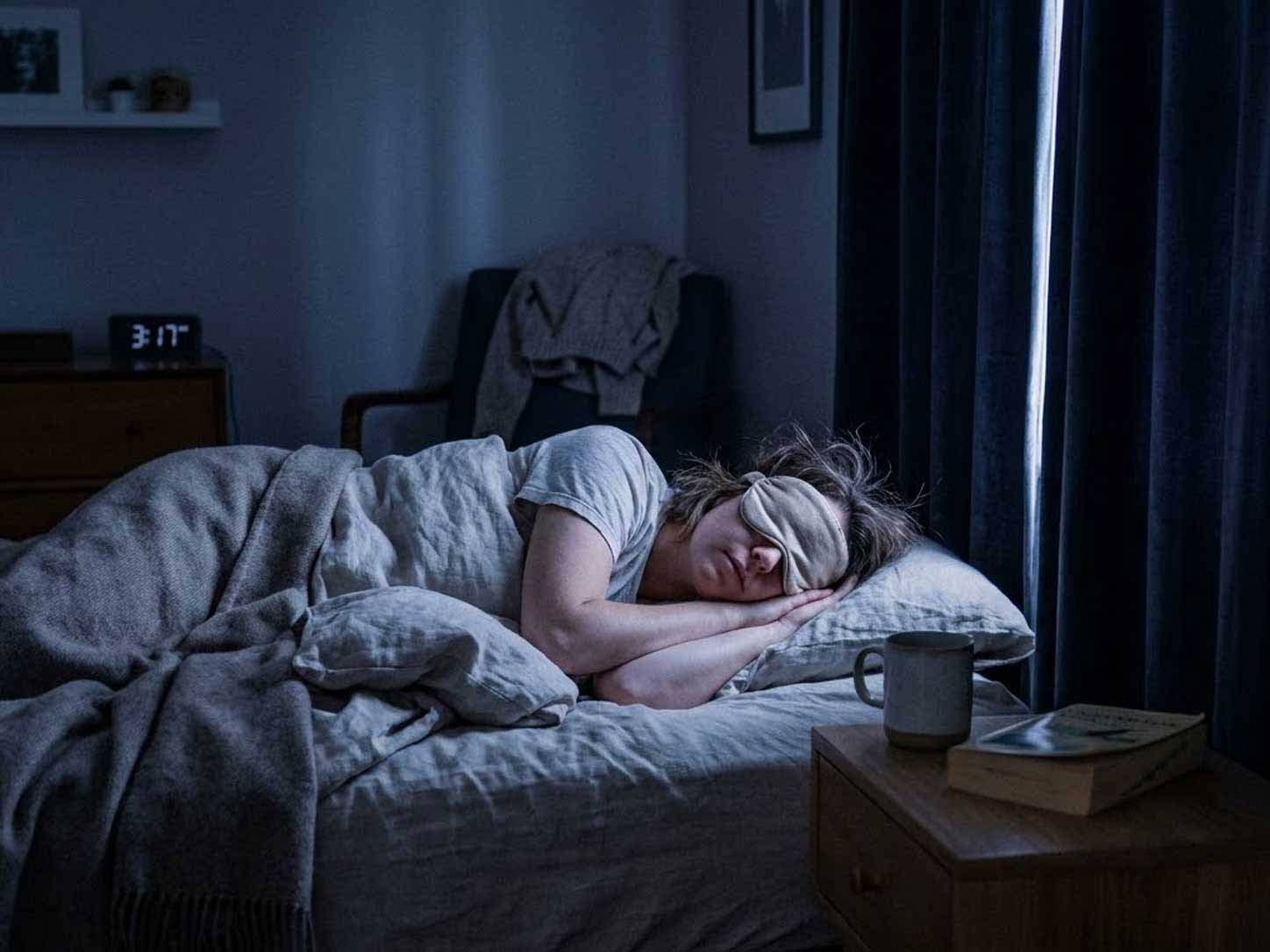
The architecture, the shift, and the clock
The architecture: sleep runs in roughly 90-minute cycles, each moving through light sleep into deep slow-wave sleep, then REM. The proportions are positional: deep sleep dominates the first half of the night (physical repair, growth hormone), while REM concentrates in the final hours (memory consolidation, emotional processing). This is why cutting sleep short is not an even cut — it skims REM disproportionately, and why 'eight shallow hours' is not eight good ones: quality lives in the proportions, and the morning is their readout.
The repair shift: deep sleep is when the day's maintenance actually runs. Growth hormone releases mainly in slow-wave sleep — the muscle-repair signal. The glymphatic system, the brain's waste-clearance network, runs its shift primarily overnight. The immune system recalibrates — vaccine responses run measurably weaker on short sleep, and susceptibility trials show the same direction. None of this happens while awake. Sleep is not the absence of activity; it's a different, necessary activity.
The clock: sleep is timed before it's chosen. The circadian rhythm decides when sleep is biologically possible, and it reads light as its primary signal — morning light anchors the cycle, evening light delays it. A consistent wake time anchors the whole system more powerfully than any bedtime effort. And the two classic saboteurs: caffeine's 5–6 hour half-life (the 3pm cup is a midnight tax) and alcohol — the counterfeiter that sedates the front half of the night and shreds the back, suppressing REM and fragmenting deep sleep.
The honest treatment landscape: for chronic insomnia, first-line treatment is CBT-I — cognitive behavioral therapy for insomnia — structured, evidence-based, and outperforming sleep medications long-term in trial after trial. For sleep apnea, a sleep study is the only diagnostic (you cannot feel your own pauses — that's the trap). And the supplement shelf: magnesium carries modest quality evidence, melatonin is a timing tool rather than a sedative — supporting players, honestly sized, never the architecture fix.
- The night runs ~90-minute cycles: deep sleep front-loaded, REM back-loaded.
- Cutting sleep short skims REM disproportionately — the memory-and-mood half.
- Growth hormone releases mainly in deep sleep; the glymphatic system clears brain waste overnight.
- A consistent wake time anchors the rhythm more powerfully than bedtime effort.
- Caffeine's 5–6 hour half-life makes the afternoon cup a midnight tax.
- CBT-I is first-line for chronic insomnia — structured, evidence-based, not a supplement shelf.
“Sleep isn't downtime — it's the shift where the day's repair work happens. Guard the hours the work runs on.”
— The sleep principleThe factor families
The timing system
Light and a consistent wake time set the clock that decides when sleep is even possible.
Explore Circadian Rhythm →The 3AM mind
Stress wiring and sleep share a system — the mind that won't power down is chemistry, not character.
Explore Stress & Mental Wellbeing →The immune shift
The overnight recalibration — short sleep measurably weakens vaccine response and raises susceptibility.
Explore Sleep & Immune Health →The modest shelf
Magnesium carries modest sleep-quality evidence — a supporting player behind the fundamentals, never a replacement.
Explore Magnesium →The story, frame by frame


The sleep system's players — and the route into each
Every card links to a full BodyFinds journey. The sleep story touches timing, stress, immunity, and the modest mineral shelf.
The timing lens — the clock, the light anchors, and the schedule levers.
research-topicThe stress wiring — the 3am mind and the system that won't downshift.
research-topicThe immune connection — the overnight recalibration and its measurable costs when skipped.
research-topicThe cognition side — overnight memory filing and the fog of short sleep.
research-topicThe modest mineral — studied for sleep quality; supporting role, honestly sized.
supplementWhy can't I fall asleep?
The complete BodyFinds sleep-onset journey — wind-down habits, light and timing, the 3am stress wiring, and the nutritional factors.
Where this information comes from
- CDC — About Sleep Government
- NHLBI — Sleep Science and Sleep Disorders Government
- NINDS — Brain Basics: Understanding Sleep Government