Sleep & Immune Health
The advice says 'sleep supports immunity.' The mechanism is more interesting: immune cells run on a clock — their numbers and activity peak overnight, precisely when sleep releases cortisol's brake. Defense isn't supported by sleep; it is scheduled around it. This page covers the physiology beneath the advice — the trials that proved it, the timing that exploits it, and the sick-sleep that closes the loop.
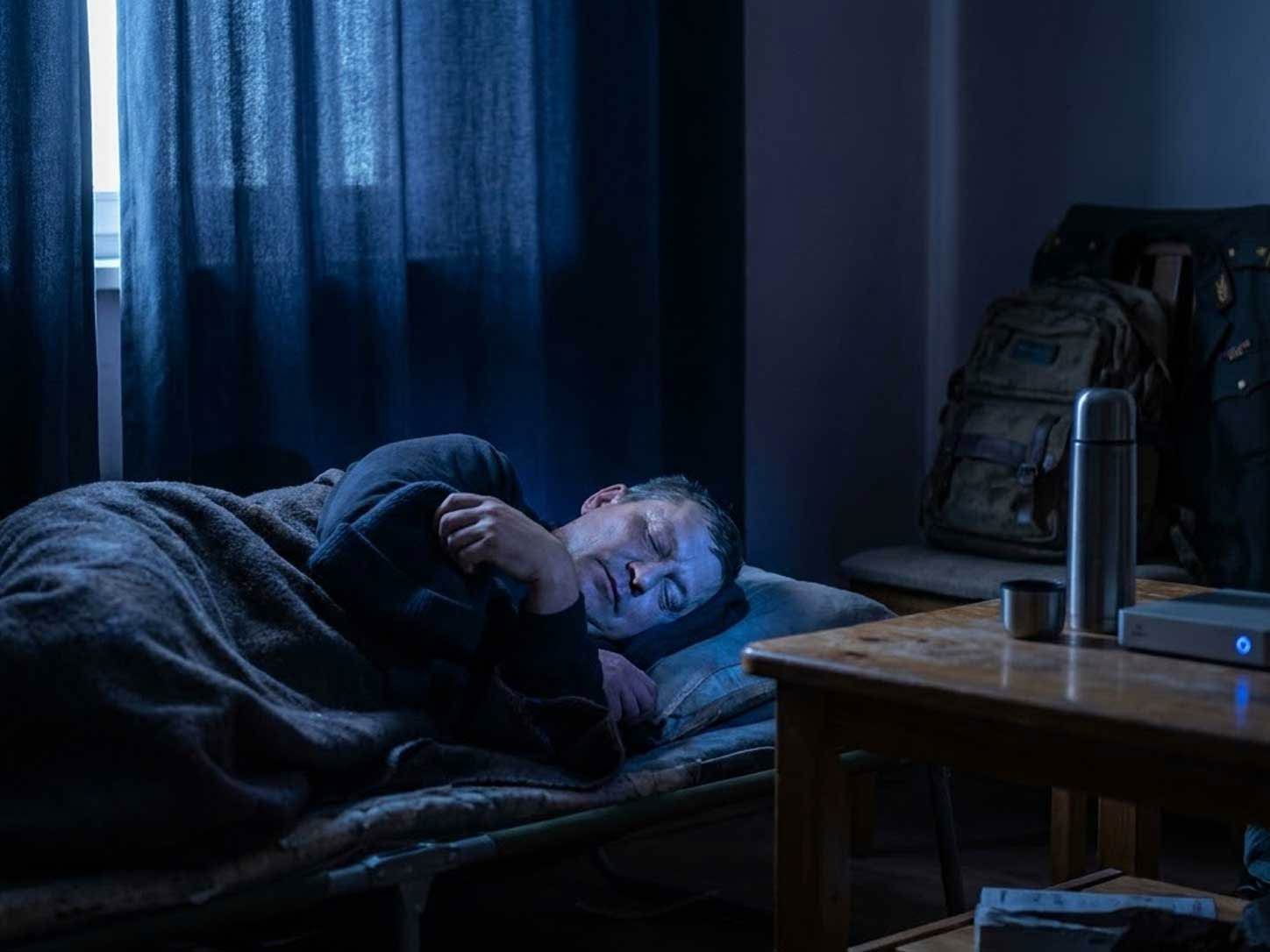
The night shift, shift by shift
The physiology: immune surveillance follows a daily clock. T-cell numbers in the bloodstream peak at night; pro-inflammatory signaling follows circadian rhythms; and the overnight cortisol trough releases the brake cortisol normally holds on defense. Deep slow-wave sleep is the immune-favoring stage — the phase when immunological memory consolidation appears to strengthen. The system isn't merely 'rested' by sleep: it is timed to it.
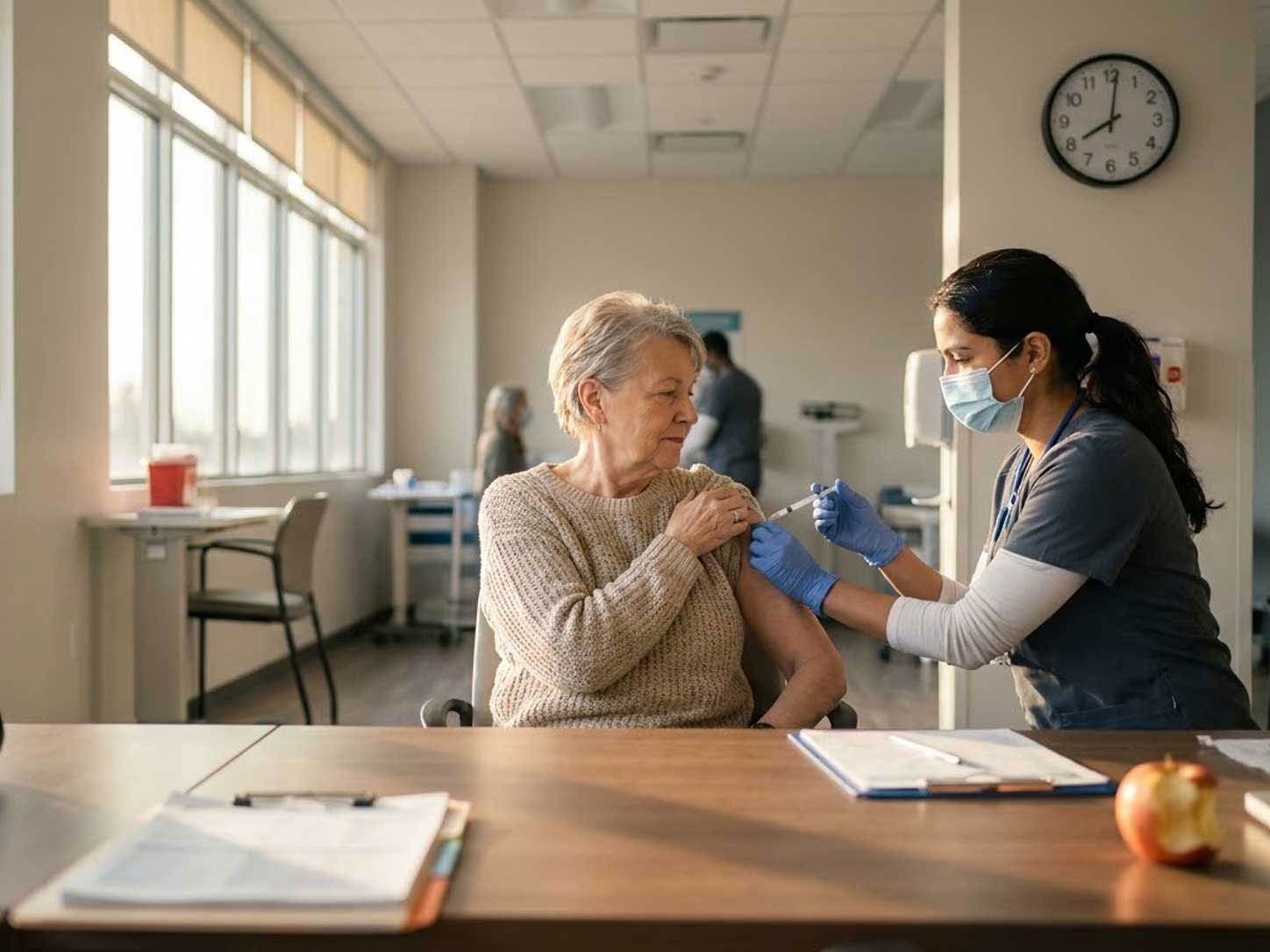
The trials that proved it: the tracked-susceptibility study — volunteers wore sleep monitors for a week, then received nasal drops of the cold virus: those averaging under six hours were roughly four times more likely to develop infection. Its twin: vaccination studies in hepatitis and influenza, where short sleepers produced about half the antibody response of the rested. And the timing exploitation: several vaccine trials found morning administration produced stronger responses than afternoon — the morning cortisol-adrenaline state apparently assisting the immune system's first encounter with the antigen.
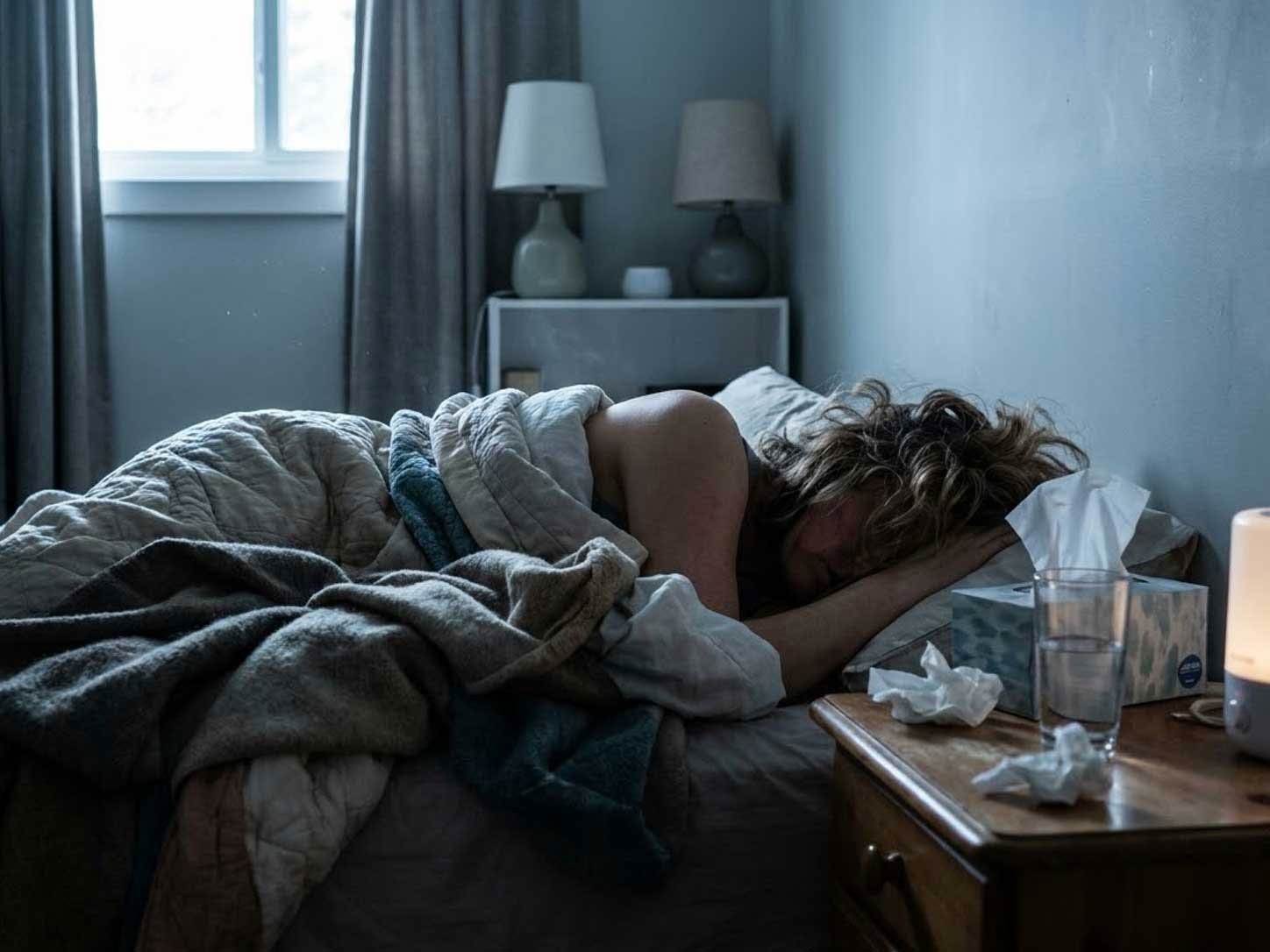
Sick-sleep — the loop closed: the signaling runs both ways. Cytokines released during infection deepen slow-wave sleep — the immune system requesting extra shifts during its heaviest workload. This is the sleep half of sickness behavior (the Energy-Immune page's 'invoice'): fatigue is the billing, deep sleep is the work. The practical wisdom: when illness brings drowsiness, the drowsiness is part of the treatment plan — a night of honored sick-sleep does more for recovery than a day of medicated pushing.
The honest boundaries: one bad night barely matters — acute sleep loss's immune cost is transient, and panicking about it is worse than the night itself. The bill comes due on the chronic pattern: persistently short sleep associates with elevated baseline inflammation (IL-6, CRP), feeding the inflammaging story the Energy-Immune page carries. And the shelf has nothing for this: the levers are the Sleep page's — schedule, darkness, timing — plus, when sleep and infections persistently tangle, the clinical workup (sleep apnea's inflammation link is real and treatable).
- Immune-cell trafficking peaks overnight — timed to the cortisol trough.
- The tracked trial: under-6-hour sleep ≈ 4× the cold infection rate.
- Vaccine antibody responses halve under short sleep; morning shots take better.
- Infection deepens slow-wave sleep — the immune requesting extra shifts.
- One bad night is transient; the chronic pattern is the real bill.
- Sleep disorders' inflammation link (apnea especially) is real and treatable.
“The immune system runs a night shift — and sleep is the shift it works.”
— The night-shift principleThe factor families
The night patrol
Immune cells and cytokines following circadian rhythms — numbers peaking when the brake releases.
The timing trials
Morning vaccination outperforming afternoon — the clock exploited deliberately.
The 4× study
Sleep-monitored volunteers exposed to the cold virus: short sleep, fourfold susceptibility.
Sick-sleep
Infection deepening slow-wave sleep — the loop closed in the body's own direction.
The story, frame by frame
The axis's stations — and the routes
Every card links to a full BodyFinds journey. The night shift routes to both ends and the surrounding clock.
The shift itself — architecture, the repair story, the sleep levers in full.
research-topicThe recovery page — the broader overnight repair shift and its pillars.
research-topicThe system — regulation over boosting, the pillars, the shelf graded.
research-topicThe cost axis — sickness behavior and the fever bill this page's sick-sleep completes.
research-topicThe timekeeper — the clock immune cells run on, in full.
research-topicHow is defense actually regulated?
The Immune Health page — the boost myth corrected, the pillars with their trials, and the shelf graded honestly.
Where this information comes from
- PubMed — Sleep Duration and Cold Susceptibility (Prather et al.) Database
- NHLBI — Sleep Science and Sleep Disorders Government
- NIAID — Overview of the Immune System Government
- CDC — About Sleep Government
- MedlinePlus — Immune System and Disorders Government