Immune Health
The immune system is not a muscle to pump — it is a regulated defense network where more activity is often the problem: allergy is overactivity; autoimmunity is overactivity; the cytokine storm is overactivity. The honest frame isn't 'boosted' — it's well-regulated: well-rested, well-fed, well-trained. This page covers the system as it actually works, the levers with trial evidence, and the supplement shelf graded as weakly as its trials read.
The system, the balance, the shelf
The system: two coordinated arms — innate (fast, general, the fever and first responders) and adaptive (slow, specific, the memory system that vaccination trains). The two talk constantly, station heavily around the gut (the training-ground link below), and answer to the stress system's throttle. It is a network with brakes and accelerators — which is precisely why the 'boost' metaphor misleads.
The boost myth, honestly: the goal is a system that responds appropriately and resolves cleanly — under-activity means infections that linger and return; over-activity means allergy, autoimmunity, and inflammatory damage. Nothing on the supplement shelf 'boosts' this balance — the honest levers are the ones that keep the network well-resourced: sleep, food, movement, stress recovery, and correction of actual deficiencies — the same first-tier supplementation thesis that runs through this whole library.
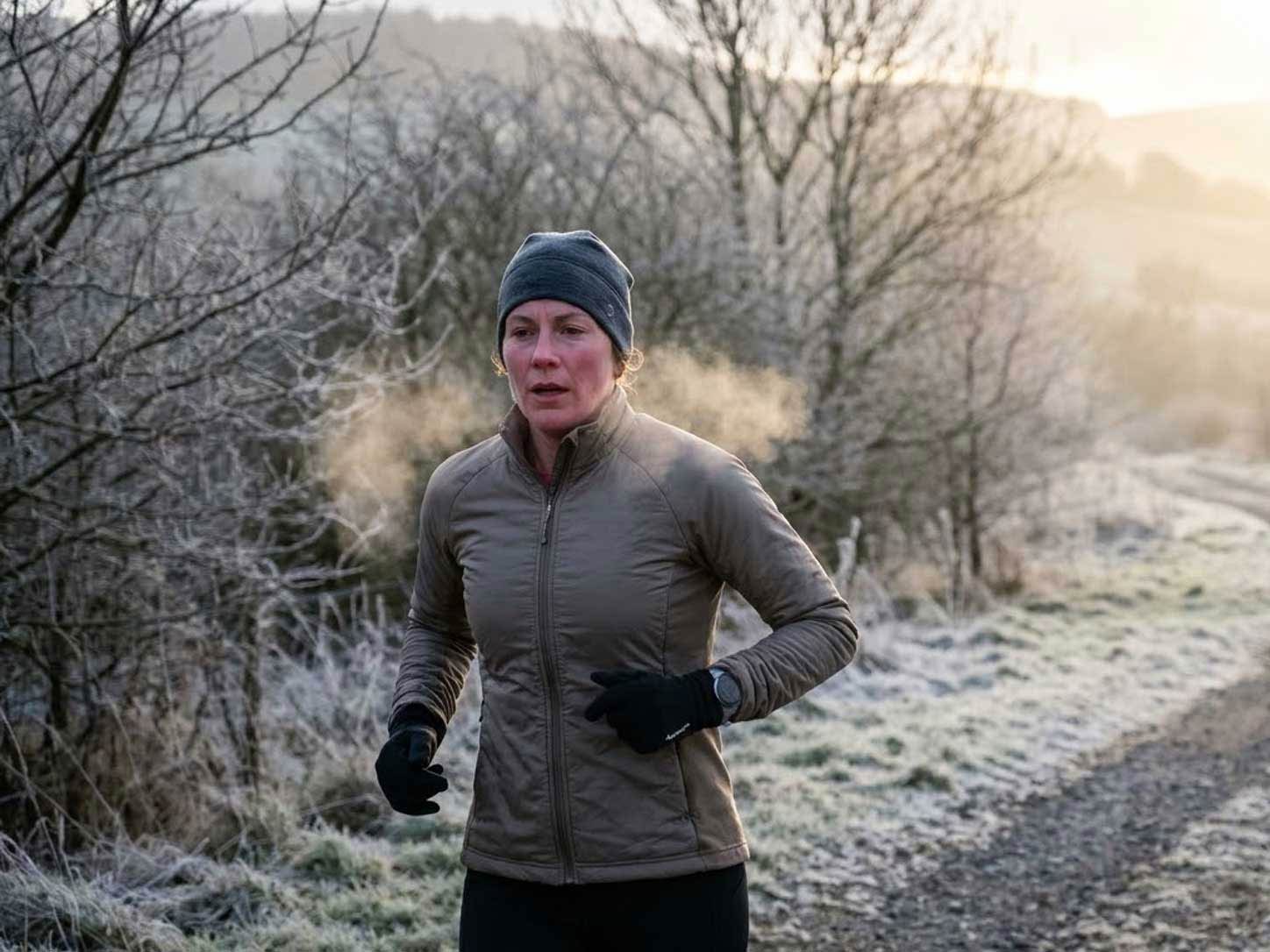
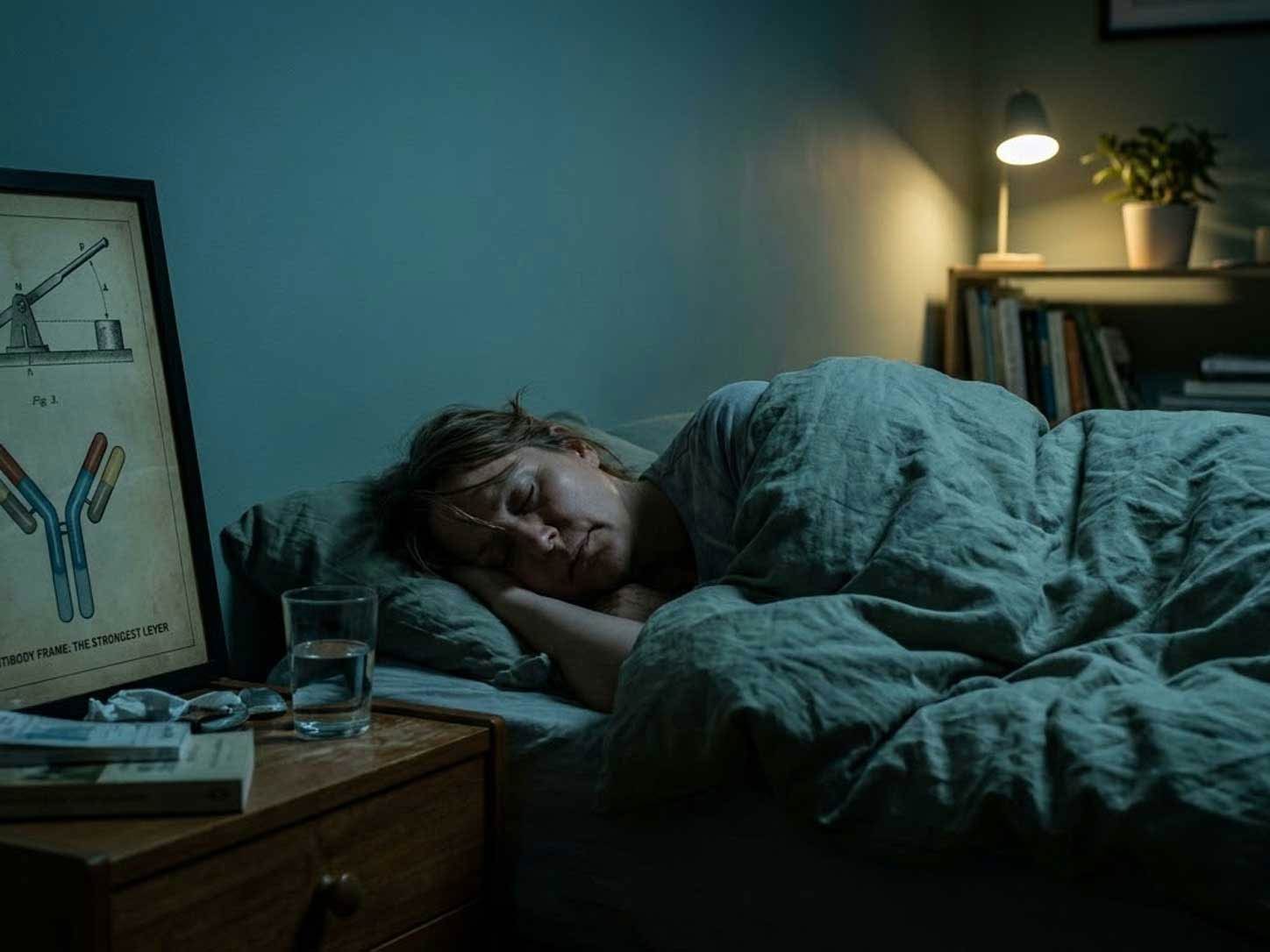
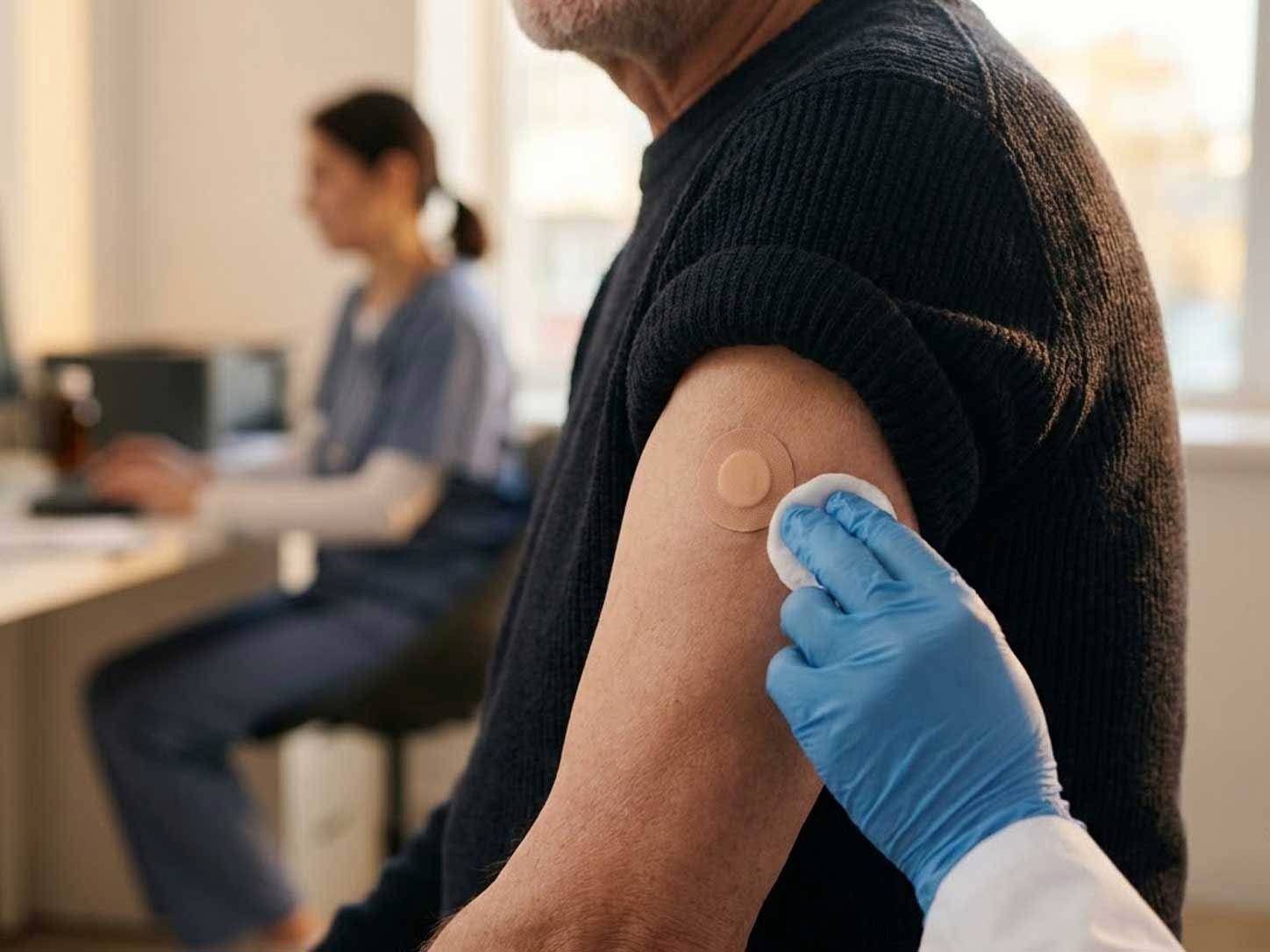
What actually works, with its trials: sleep — the vaccination studies are the cleanest evidence in the field: short sleepers produce roughly half the antibody response to vaccination that rested people do. Movement — the J-curve: moderate regular activity supports immune surveillance, while extreme exertion transiently suppresses it (the day after a marathon is a real window). Deficiency correction — zinc, vitamin D, and B12 in the deficient support normal function; topped-up levels add nothing. Stress recovery — chronic cortisol measurably suppresses immune competence. And vaccination — the actual, literal, evidence-grade 'training' of the adaptive memory system.
The shelf, graded: vitamin C — Linus Pauling's legacy: mega-dose trials show no infection prevention in the general population, a modest shortening of colds already caught, and relevance mostly in the severely deficient and extreme-exertion populations. Zinc lozenges — real but timing-dependent (started within 24 hours, the Zinc chapter's see-saw told in full). Echinacea — mixed to weak. Elderberry — limited. 'Immune blends' — marketing stacks built on the verb the immunology rejects.
- 'Boosted' describes immune disease, not immune health.
- Vaccination trials: short sleep ≈ half the antibody response.
- The exercise J-curve: moderate supports, extreme transiently suppresses.
- Deficiency correction is first-tier; topping up sufficient levels is null.
- Vitamin C mega-doses: no prevention in the general population.
- Zinc lozenges work in the first 24 hours — or barely at all.
“You don't want a boosted immune system. You want a well-rested, well-fed, well-regulated one.”
— The regulation principleThe factor families
The strongest lever
The overnight shift — the vaccination trials' antibody cost of short sleep is the field's cleanest finding.
Explore Sleep →Deficiency correction
Zinc, D, and B12 in the deficient support normal function — topped-up levels add nothing.
Explore Vitamin D3 →The J-curve
Moderate regular movement supports surveillance; extreme exertion transiently opens a window.
The actual training
Vaccination trains the adaptive memory system — the evidence-grade 'booster' the shelf imitates in words.
The story, frame by frame

The system's players — and the routes
Every card links to a full BodyFinds journey. The immune story overlaps the gut training ground, sleep, stress, and the honestly-graded shelf.
The training ground — a large share of the system stations around the gut, learning from the residents.
research-topicThe overnight shift — the antibody trials' cleanest finding in the whole field.
research-topicThe throttle — chronic cortisol measurably suppresses immune competence.
research-topicThe cold-window evidence — lozenges within 24 hours, the see-saw told in its chapter.
supplementReceptor expression on immune cells — deficiency correction matters, topping up doesn't.
supplementThe resolution side — resolvins and the inflammation-braking chemistry its chapter covers.
supplementWhat does the repair shift build?
The Sleep & Recovery page — the overnight work, the pillars, and the honest grades of sleep supplements.
Where this information comes from
- NIAID — Overview of the Immune System Government
- NIH ODS — Vitamin C Government
- NIH ODS — Zinc Government
- NCCIH — Echinacea Government
- MedlinePlus — Immune System and Disorders Government