What is Depression?
A medical condition of the mood-regulation system — treatable, common, and never a character failing.
Depression (major depressive disorder) is a common and serious medical condition that changes how the mood-regulation system functions: persistent low mood or loss of pleasure (anhedonia) for two weeks or more, with changes in sleep, appetite, energy, concentration, and self-worth. It affects roughly 280 million people worldwide — about 5% of adults — and the WHO ranks it among the leading causes of disability on earth. The most important sentences on this page: depression is not sadness, not weakness, and not a choice — it is a diagnosable, treatable medical condition, and the majority of people who receive proper treatment improve substantially. This page covers the biology honestly, the treatments that work, and the adjuncts studied alongside them.
How Depression Connects
Understanding Depression Beyond the Serotonin Story
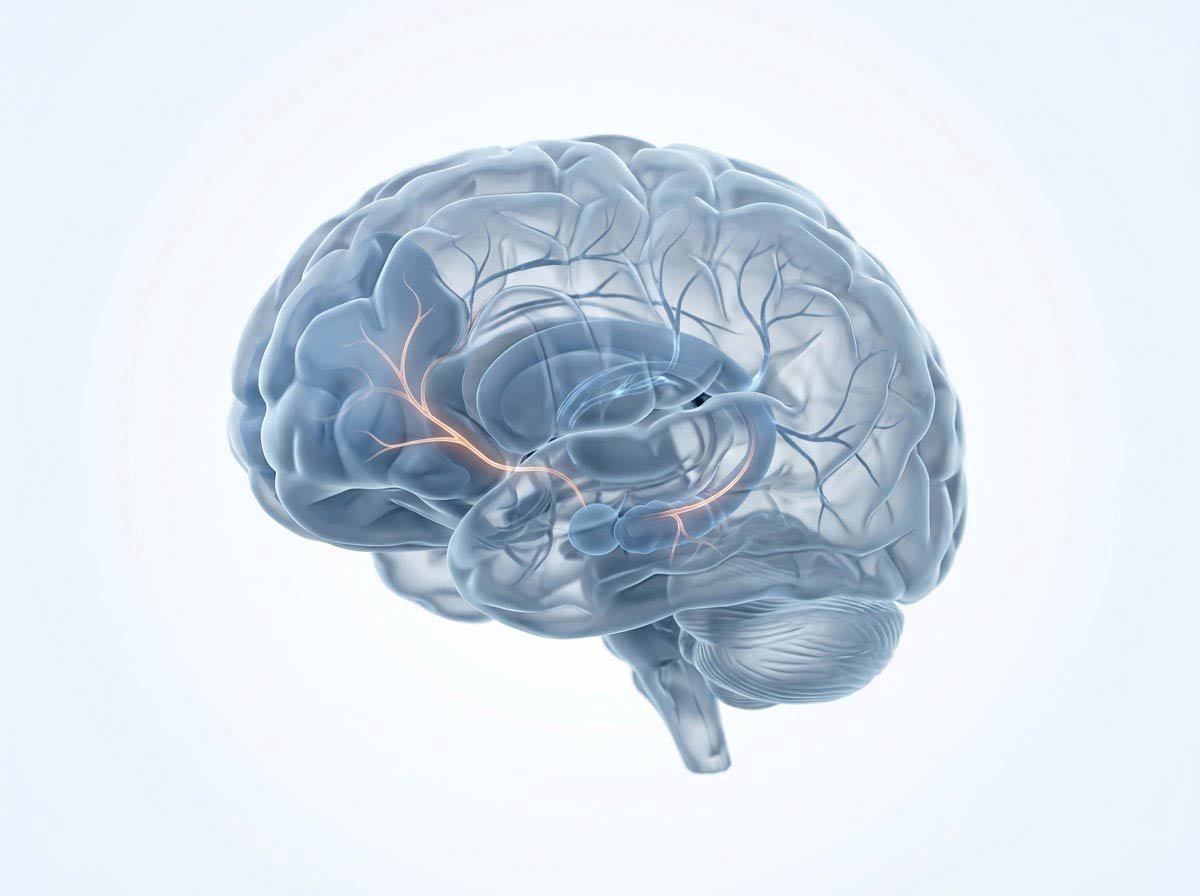
The old marketing version — 'depression is a chemical imbalance, specifically low serotonin, and pills correct it like insulin for diabetes' — was always simpler than the science. The honest picture is richer: depression involves changes across a network — downregulated prefrontal regulation of the amygdala (the alarm firing without a brake), reduced hippocampal neurogenesis under chronic stress, a locked-on HPA stress axis (cortisol elevated or dysregulated), altered neuroplasticity, and increasingly well-documented inflammation and gut-microbiome contributions. Serotonin is one player in that network, not the whole story — and the fact that SSRIs still work in trials while the simple story failed tells us the treatments act on more than the slogan captured.
The diagnosis is clinical: two weeks or more of depressed mood or anhedonia (the inability to feel pleasure — the symptom that most cleanly separates depression from ordinary sadness), plus a cluster of sleep, appetite, energy, concentration, and self-worth changes. Depression ranges from single episodes to recurrent and treatment-resistant forms, and it travels with real physical weight: measurable cognitive changes, altered inflammatory markers, and — as our IBS page teaches — a bidirectional relationship with gut disorders, where each condition roughly doubles the risk of the other.
- Major depressive disorder: the clinical condition — 2+ weeks of low mood or anhedonia with associated symptoms, diagnosed by a professional.
- Persistent depressive disorder: a lower-grade, chronic form lasting two years or more — less dramatic, equally real.
- Anhedonia: the loss-of-pleasure symptom — food tasting flat, hobbies feeling like chores, connection failing to land. The signature of the disorder, not ordinary sadness.
- Recurrent depression: multiple episodes over time — the pattern that makes maintenance treatment a genuine conversation.
- Treatment-resistant depression: insufficient response to adequate trials — the territory of specialist care, combination strategies, and newer options like esketamine.
The Monoamine Story: What the Serotonin Debate Actually Taught
In 2022, an umbrella review examining the 'serotonin hypothesis of depression' found the simple version — low serotonin causing depression, straightforwardly — was not supported by decades of evidence. Headlines announced 'antidepressants don't work,' which is not what the evidence says at all.
The honest reconciliation: the simple chemical-imbalance marketing story overpromised, yes — but SSRIs outperform placebo in hundreds of randomized trials, especially at moderate-to-severe depression, and their benefit is real even if their mechanism runs through neuroplasticity and network changes rather than a serotonin refill. The lesson is calibration, not dismissal: treat the condition with what the trials show works, and be suspicious of any story — pharmaceutical or herbal — that oversimplifies the brain to sell you the fix.
The PHQ-9 — a nine-question screening tool — is how clinics quantify depression and track treatment response; free, validated, two minutes. A score of 10 or more, or any positive answer on the self-harm question, is the appointment to make — primary care treats most depression; severity and complexity route to specialists. Two timing rules that change outcomes: antidepressants take 2–6 weeks to show benefit (quitting at week two measures nothing but impatience), and stopping them — even when feeling better — is a prescriber conversation, because discontinuation syndrome is real and relapse risk is a medical judgment. And if you are in crisis now: 988, call or text.
Antidepressants take 2–6 weeks to work — the same timescale as the neuroplasticity changes they trigger. Most early discontinuation happens in the gap between starting the medication and the medication starting — the most fixable problem in depression care.
- Depression affects roughly 280 million people — and is among the WHO's leading causes of disability worldwide.
- Anhedonia — the loss of pleasure — distinguishes depression from ordinary sadness more cleanly than low mood itself.
- Depression and IBS travel together bidirectionally: each roughly doubles the risk of the other (our IBS page teaches the reverse direction).
- Exercise trials for mild-to-moderate depression show effects comparable to antidepressants — the lifestyle arm is not a garnish.