Inside your respiratory system.
Where does asthma actually happen in the body?
Before understanding symptoms, let's explore the organs responsible for breathing. The respiratory system delivers oxygen to every cell while removing carbon dioxide. Asthma primarily affects the conducting airways, not the gas-exchanging alveoli.
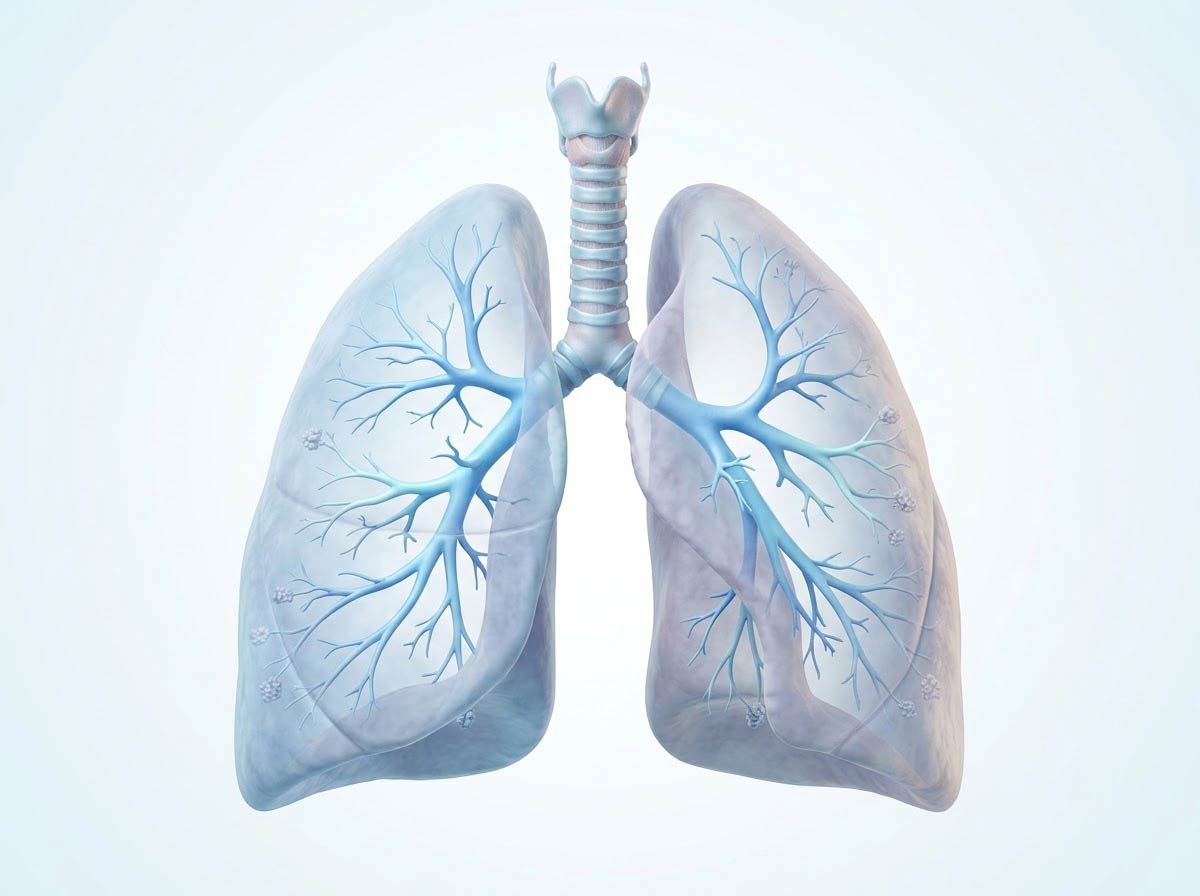
Housing millions of alveoli where oxygen diffuses into blood and carbon dioxide is removed. The lungs work continuously to oxygenate the body and maintain acid-base balance.
The Anatomy of Breathing
The respiratory system begins at the nose and mouth, where air is filtered, warmed, and humidified before traveling down the trachea.
The trachea divides into mainstem bronchi, which further branch into bronchioles. In asthma, the smooth muscle surrounding these bronchi and bronchioles contracts abnormally (bronchospasm), while the inner epithelial lining becomes inflamed and swollen.
Lungs
Exchange O₂ and CO₂
Bronchi
Primary site of asthma inflammation
Cilia
Tiny hairs that clear mucus; impaired in asthma
Alveoli
Gas exchange sacs; generally unaffected until late stages
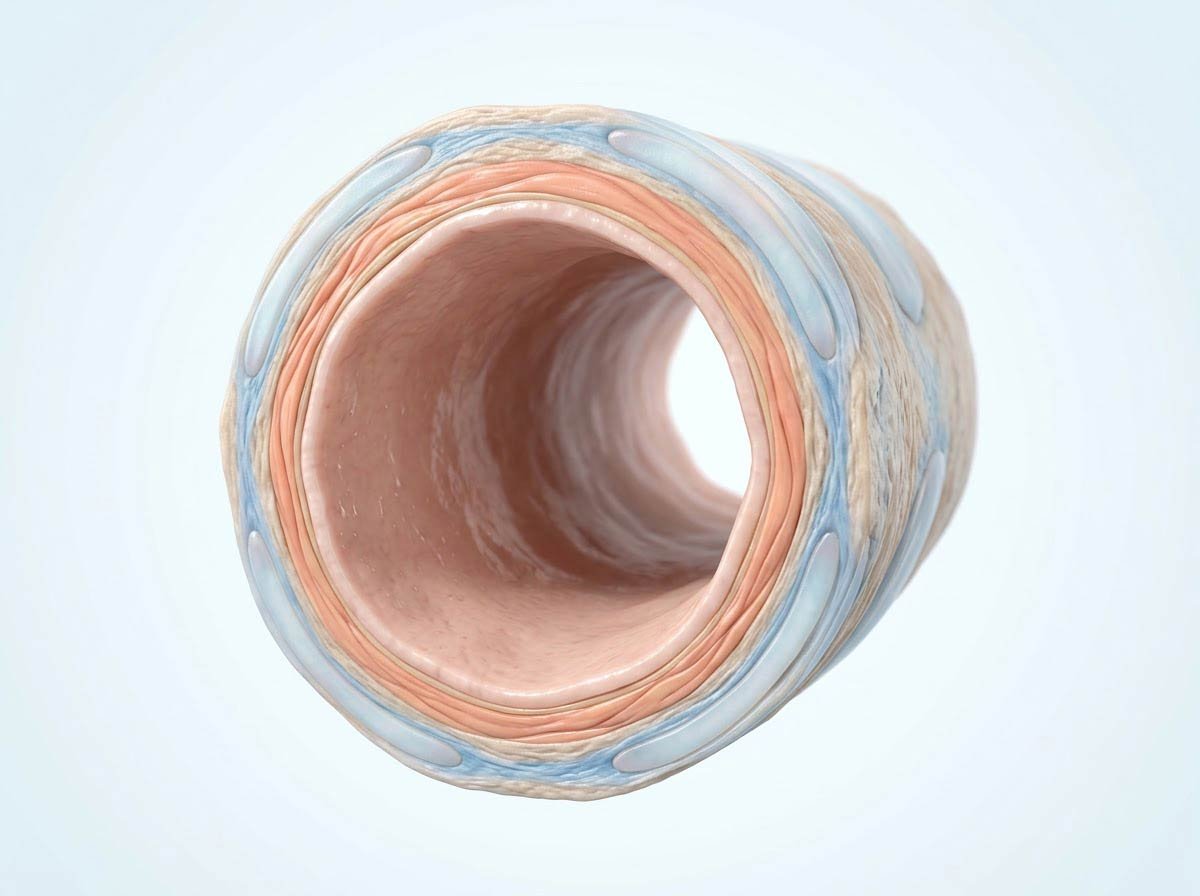
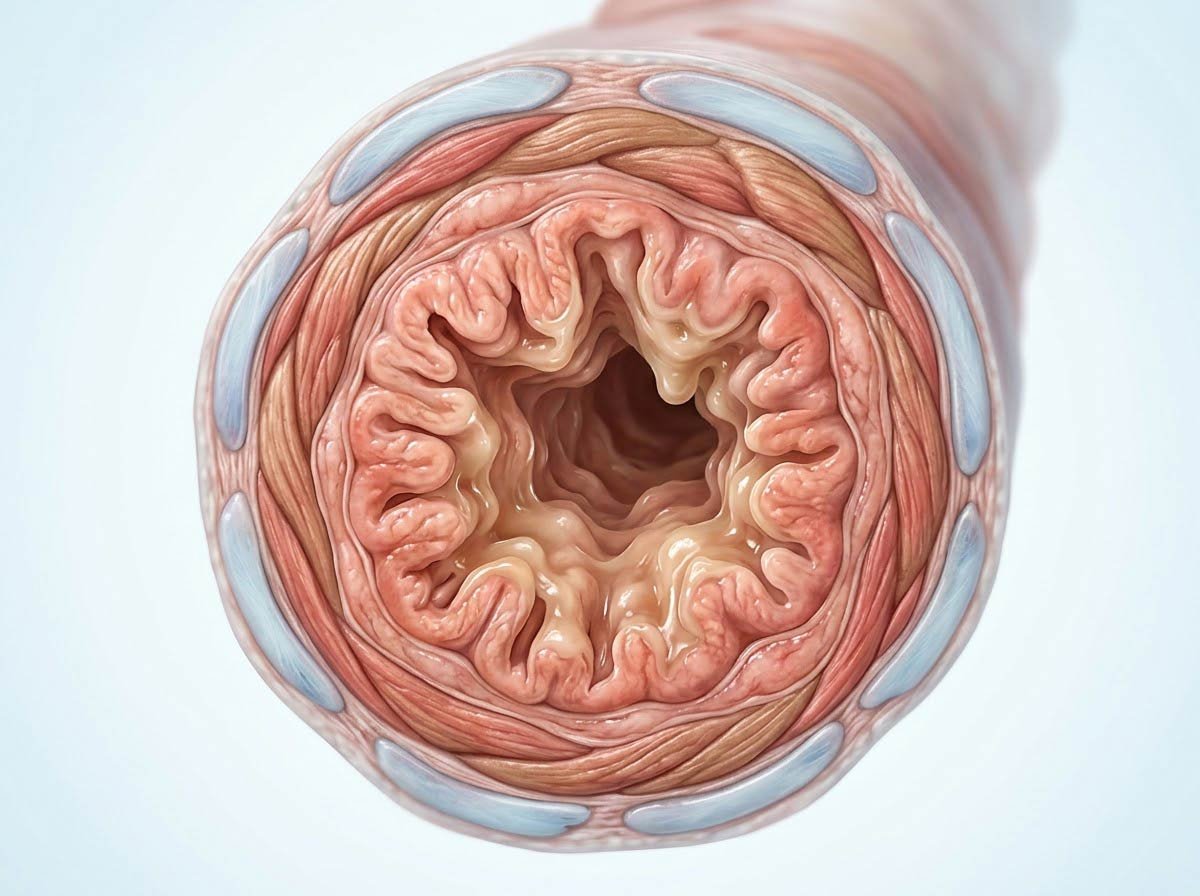
What Happens During an Asthma Attack (Exacerbation)
During an exacerbation, three pathological changes occur simultaneously in the bronchioles, severely limiting airflow and requiring prompt use of prescribed rescue medication (e.g., Albuterol):
- Bronchoconstriction: Smooth muscle wrapping the airways contracts spasmodically, narrowing the airway lumen.
- Airway Edema: The inner mucosal lining swells due to inflammation, further reducing space for airflow.
- Mucus Hypersecretion: Goblet cells produce excessive, thick mucus that can form plugs, completely blocking smaller airways.
Your lungs contain over 300 million alveoli. Together they provide enough surface area to cover an entire tennis court, but this entire system depends on healthy, unobstructed bronchial tubes to deliver the air.