Hydration & Electrolytes
Hydration is the most oversold simple act in wellness — and underneath the marketing sits a genuinely elegant system: fluid balance regulated by thirst, and a mineral trio (sodium, potassium, magnesium) running the electrical machinery every muscle and nerve depends on. For most people, most of the time, the system needs nothing but water and attention to two gauges. For exercisers, the calculus changes — and for a rare few, drinking too much becomes the danger. This page covers the system, the gauges, and the shelf graded without romance.

The system, the gauges, the exercise case
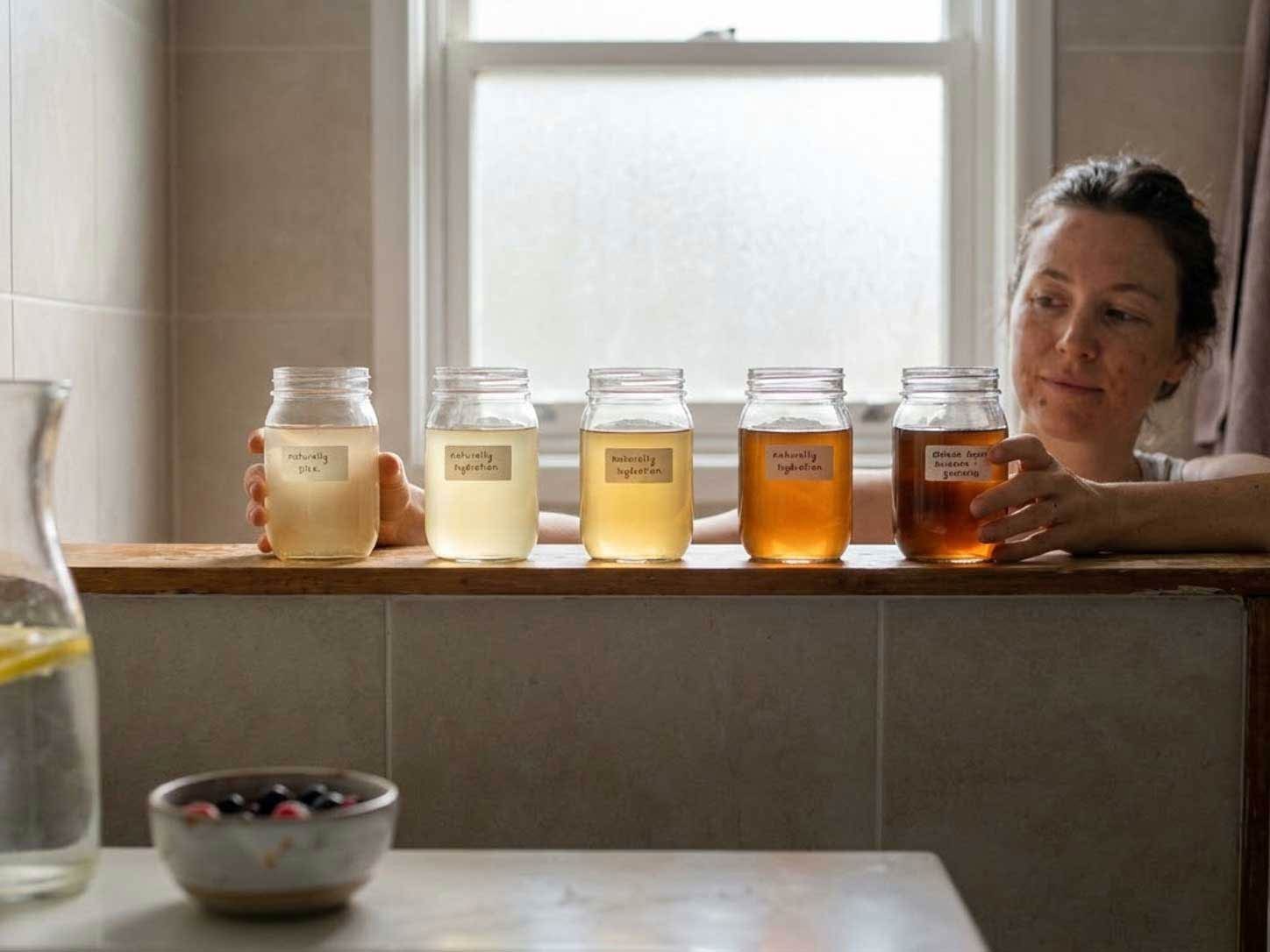
The system: hydration is not a water count — it's a balance of fluid and dissolved minerals, regulated by one of the body's oldest and most reliable control loops. Thirst is the output of that loop: specialized sensors read blood concentration and fluid volume, and when the balance drifts, thirst arrives with remarkable precision. For healthy people at rest, drinking to thirst is not a compromise — it is the regulation, and the famous 'eight glasses' rule is a number with no trial behind it. The second gauge is urine color: pale straw reads hydrated, dark amber reads behind, and the check takes a glance. Between the two, most people need no apps, no formulas, and no targets — just water available and the gauges consulted.
The mineral trio: what makes hydration a system rather than a fluid count is the electrolyte machinery the fluid carries. Sodium is the body's principal extracellular mineral — the axis of blood-volume regulation, and the one sweat drains fastest. Potassium is its intracellular partner, and the two run the sodium-potassium pump that powers every muscle contraction and nerve signal — including the heartbeat. Magnesium sits in the machinery as the relaxation mineral — the counterweight that lets contracted muscle release. When cramping arrives with heavy sweating, the story is usually fluid-and-sodium (volume and concentration), with the trio's balance underneath; when cramps arrive at night in the well-hydrated, the magnesium thread is the one worth pulling (the cramping connection the Muscle & Recovery pages carry).
The exercise case: sweat changes the calculus. Losing roughly 2% of body weight to sweat measurably impairs endurance performance and cognitive function — the threshold where hydration becomes management rather than habit. The practical version: know your rough sweat rate on hard-effort days (weigh before and after a session; the difference is mostly fluid), drink to thirst plus a margin during long efforts, and replace what the session took afterward with normal meals and fluids — which, for ordinary training, carries the sodium and potassium back without any product's help. The honest sports-drink grade: for efforts under about an hour, water meets the need; for long, hot, heavily-sweating sessions, beverages with sodium earn a genuine place — replacing both the fluid and the mineral the sweat took. The colorful shelf beyond that is marketing dressed as physiology.
The rare danger and the honest close: the one hydration emergency most people have never heard of is drinking too much. Exercise-associated hyponatremia — massive low-solute fluid intake during endurance events diluting blood sodium — is rare, genuinely dangerous, and occasionally fatal; the prevention is the oldest wisdom on this page: drink to thirst, not to a schedule. The clinical flags stand at the edges: severe dehydration (confusion, rapid pulse, no urination) and symptomatic hyponatremia (nausea with headache and confusion during an endurance event) are emergencies. And the standing populations note: kidney disease, heart failure, and fluid-restricting medications turn every hydration decision clinical — the system this page describes assumes the organs that regulate it are working.
The closing frame: hydration's evidence-based core is humble — water, two gauges, thirst as the guide — with exercise as the managed exception and the electrolyte trio as the machinery underneath. The shelf sells complexity the system doesn't need; the gauges are free.
- Thirst is a reliable guide for healthy people at rest — '8 glasses' is a number without a trial.
- Urine color: pale straw reads hydrated, dark amber reads behind.
- Sodium, potassium, and magnesium run the electrical machinery — including the heartbeat.
- ~2% body-weight loss to sweat impairs performance — the exercise threshold.
- Under an hour of effort: water meets the need. Long, hot, heavy-sweat sessions: sodium earns its place.
- Exercise-associated hyponatremia is the rare danger — drink to thirst, not to a schedule.
- Kidney disease, heart failure, and fluid-restricting meds make hydration clinical.
“The body tells you its hydration status — thirst and urine color — the gauges are free, and the shelf sells complexity the system doesn't need.”
— The hydration principleThe factor families
The exercise case
Sweat losses, the 2% performance threshold, and when electrolyte replacement earns its place.
Explore Recovery & Performance →The relaxation mineral
Magnesium in the trio — the night-cramps thread the Muscle & Recovery pages carry.
Explore Magnesium →The cramping connection
When muscles seize: the fluid-sodium story for the sweaty, the magnesium story for the nocturnal.
Explore Muscle & Recovery →The food route
Electrolytes from the plate — the pattern that carries sodium, potassium, and magnesium without products.
Explore Nutrition Fundamentals →The story, frame by frame


The system's neighbors — and the routes
Every card links to a full BodyFinds journey. The hydration story connects to training, muscle function, and the food pattern that carries the trio.
The cramping end — the trio in muscle contraction and the recovery system that replenishes it.
research-topicThe training application — sweat rates, session fueling, and the performance threshold.
research-topicThe food route — the pattern that carries sodium, potassium, and magnesium without products.
research-topicThe relaxation mineral — the night-cramp thread, honestly sized in its chapter.
supplementThe under-recovered athlete — where hydration sits among the budget's line items.
research-topicWhy do I get muscle cramps?
The complete BodyFinds cramping journey — hydration, electrolytes, magnesium, and the medical flags — three steps, narrowing what's worth exploring.
Where this information comes from
- NINDS — Hyponatremia Government
- NIDDK — Your Kidneys & How They Work Government
- MedlinePlus — Fluid and Electrolyte Balance Government
- ACSM — Exercise and Fluid Replacement Institution
- NIH ODS — Magnesium Government